How to profitably accept crypto for low-cost VPS and micro-cloud services
For budget VPS and micro-cloud providers, a $0.30 flat processing fee can wipe out nearly 10% of a $5 invoice before the server even boots. This guide breaks down how to accept crypto payments profitably — using stablecoins on low-fee networks like TRC-20 and Polygon, combined with a pre-paid balance model that eliminates micro-transaction overhead. Learn the operational blueprint for crypto-native billing that protects your margins and scales with your infrastructure.
How to profitably accept crypto for low-cost VPS and micro-cloud services
You provision a virtual machine, allocate the IP address, and send the customer an automated invoice for $4.99. Then, the traditional payment processor takes its cut: a standard $0.30 flat rate plus 2.9% of the total transaction. Just like that, nearly 10% of your gross revenue vanishes before the server even boots up. If you are operating in the micro-cloud and budget VPS market, your biggest competitor is not another hosting company; it is the legacy banking system actively eating your razor-thin profit margins.
Premium dedicated servers priced at $200 a month can easily absorb standard credit card fees. Low-cost infrastructure simply cannot. The survival and scalability of a budget IaaS (Infrastructure as a Service) provider depend entirely on extreme transaction efficiency. By strategically deploying cryptocurrency payments on low-fee blockchain networks, you can bypass fiat gateways, preserve your margins, and attract a global audience of developers who prefer decentralized payments.
Fiat gateways vs. Digital assets
To understand why traditional billing is fundamentally broken for micro-cloud services, we must examine the harsh mathematics of a $5 monthly transaction.
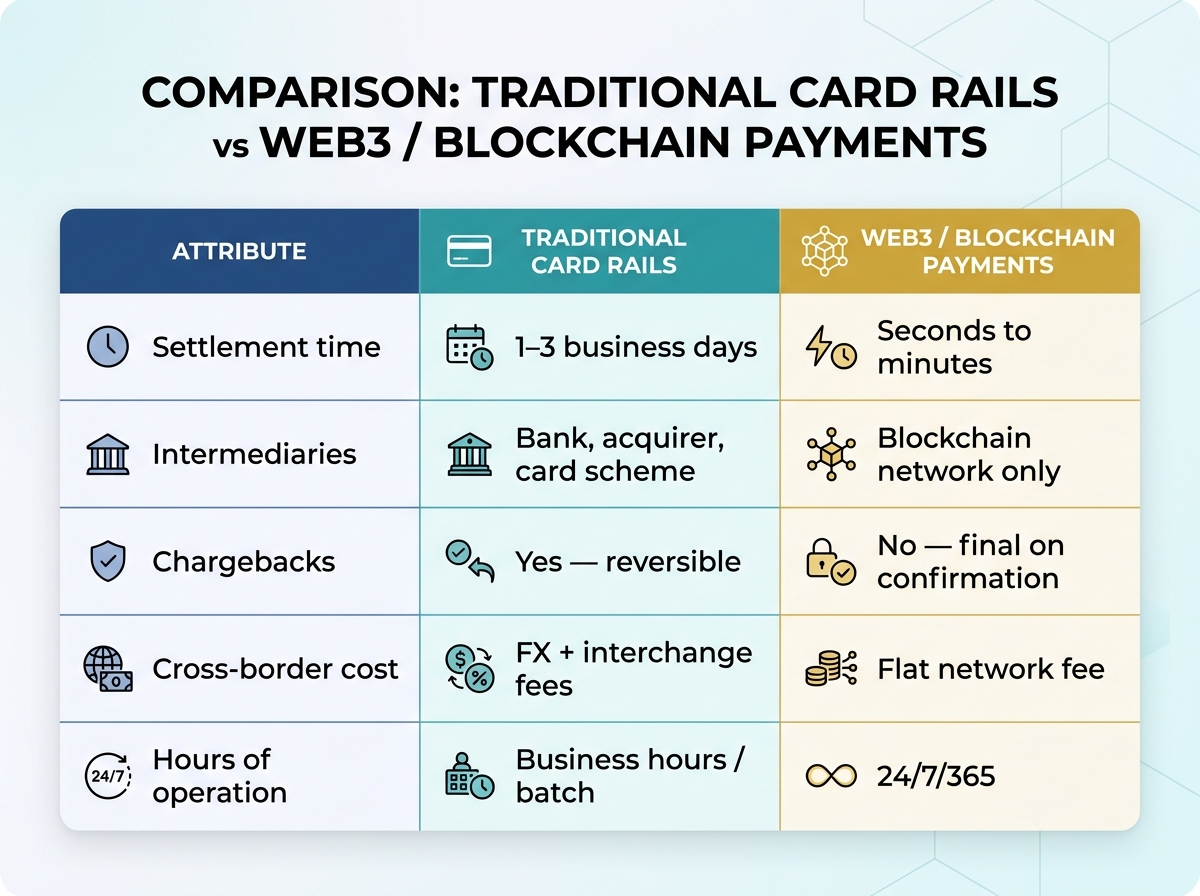
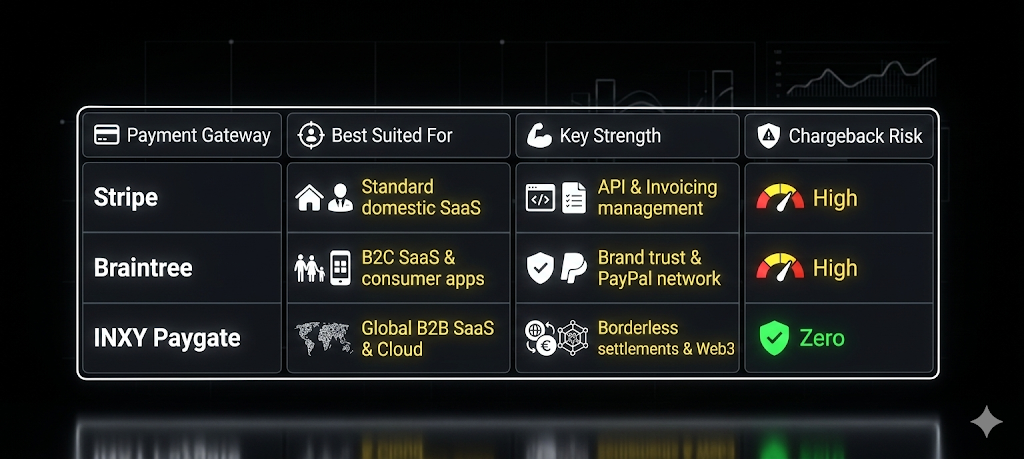
Scenario A: The Fiat Processing Trap When a client pays a $5 invoice via Stripe or PayPal, the fixed $0.30 fee disproportionately damages the transaction. The total fee amounts to roughly $0.45. If your baseline infrastructure cost (electricity, bandwidth, hardware depreciation) for that specific virtual machine is $3.50, your actual profit is immediately slashed. Furthermore, if that user initiates a chargeback, you lose the server resources, the original $5, and are penalized with a $15 dispute fee. You have effectively paid money to host a server for a stranger.
Scenario B: High-Speed Blockchain Routing Now, consider processing that same $5 transaction using a stablecoin like USDT routed through a Layer-2 blockchain network (such as Polygon) or a high-throughput chain (like Tron/TRC-20). The transaction fee drops from $0.45 to a fraction of a penny. There are zero chargeback risks, no rolling reserves held by acquiring banks, and the funds settle into your company’s digital wallet in a matter of seconds. You keep 100% of the revenue you earned.
The operational blueprint for micro-transactions
You cannot simply paste a Bitcoin wallet address on your checkout page and expect profitability. Bitcoin network fees can sometimes exceed the cost of the VPS itself. To succeed in the micro-cloud space, providers must adopt a specialized operational architecture:
Implement the Account "Top-Up" Model: Instead of forcing users to process a $4 crypto transaction every single month, shift your billing panel to a credit system. Require a minimum deposit of $20 in cryptocurrency, which is added to their account balance. Your system then automatically deducts the $4 daily or monthly from that pre-paid internal ledger.
Enforce Stablecoin Dominance: Volatile assets are dangerous for low-margin services. Restrict micro-payments strictly to stablecoins like USDT and USDC. This guarantees that a $5 payment today remains worth exactly $5 when you need to pay your own upstream datacenter bills next week.
Mandate Low-Cost Networks: Disable legacy networks like Ethereum (ERC-20) for small checkouts, as the gas fees will frustrate your users. Only present checkout options for TRC-20, BEP-20, or Polygon networks, ensuring the customer pays almost nothing to send you the funds.
Overcoming the implementation hurdle with INXY
Many hosting providers hesitate to adopt digital payments because tracking microscopic network fees, managing multiple blockchain nodes, and building custom billing integrations sounds like an administrative nightmare. This is exactly where INXY transforms your entire billing architecture.
Unlike generic merchant processors, INXY is an enterprise-grade cryptocurrency payment gateway specifically designed to handle the high-frequency, low-cost routing required by modern cloud providers. We seamlessly integrate directly into your existing billing panels – whether you use WHMCS, HostBill, or a custom internal dashboard.
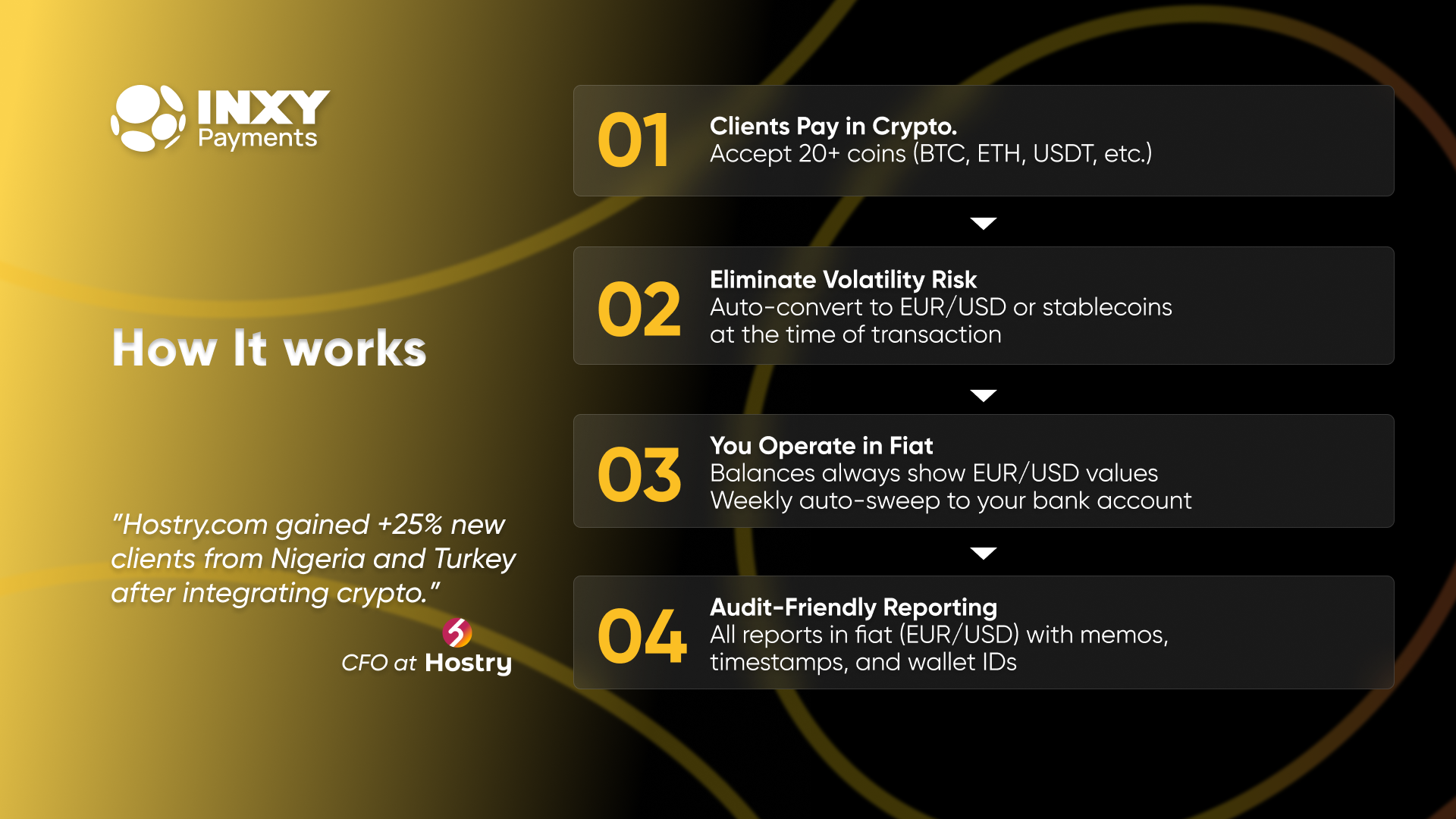
When you partner with INXY, you do not need to worry about manually verifying network confirmations or updating user balances. Our API automatically generates unique payment addresses, monitors the lowest-fee networks like Tron and Polygon, confirms the exact stablecoin deposit, and instantly updates the client's pre-paid balance on your server. INXY acts as your automated, invisible cashier, securing your revenue without the bloat of traditional banking.
Conclusion
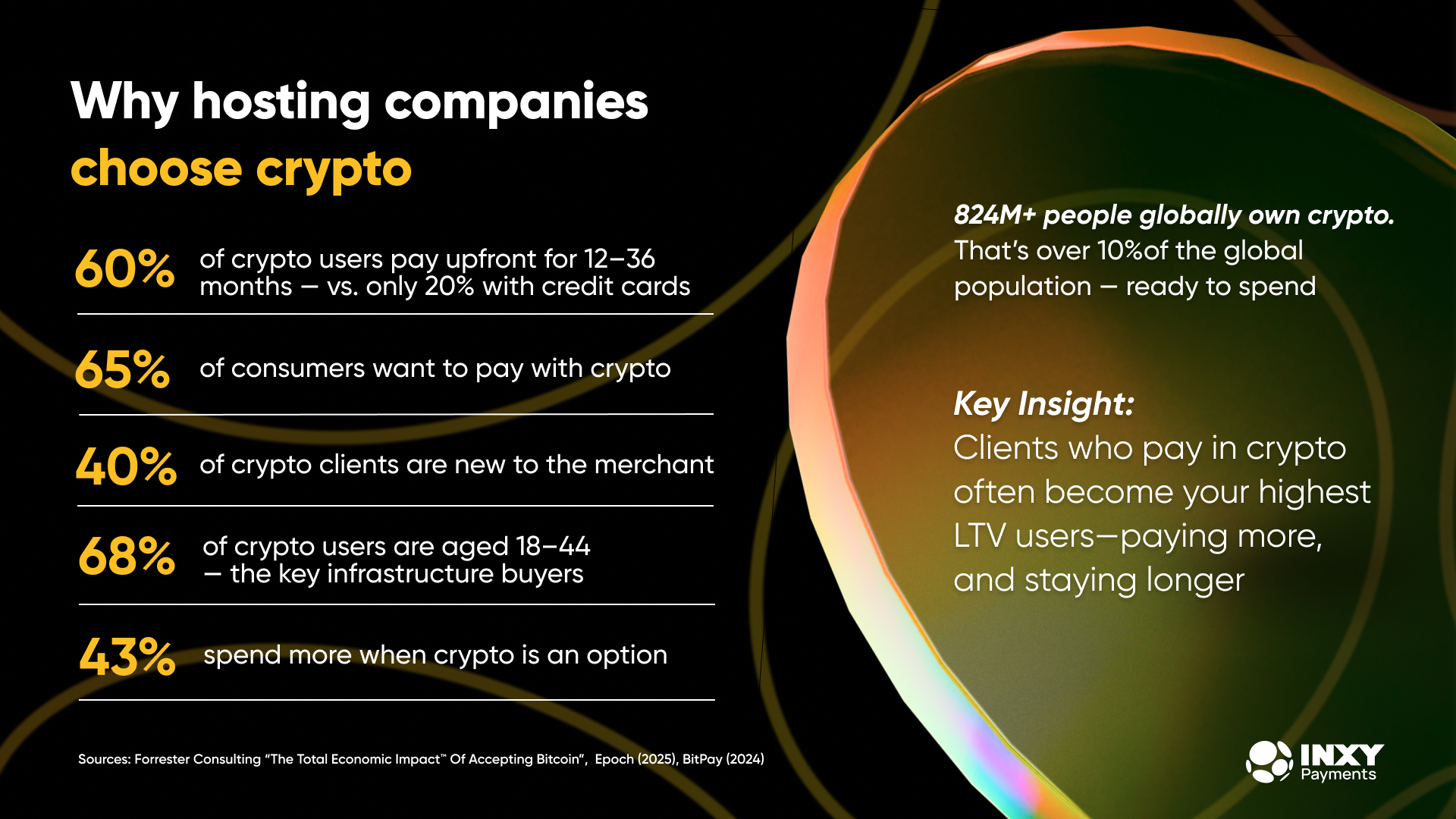
The micro-cloud sector thrives on volume and automation. Continuing to rely on payment processors that penalize small transactions is an unsustainable business model. By shifting to a crypto-native, pre-paid balance structure, you eliminate crippling flat fees, protect yourself from chargeback fraud, and capture a rapidly growing demographic of privacy-conscious developers.
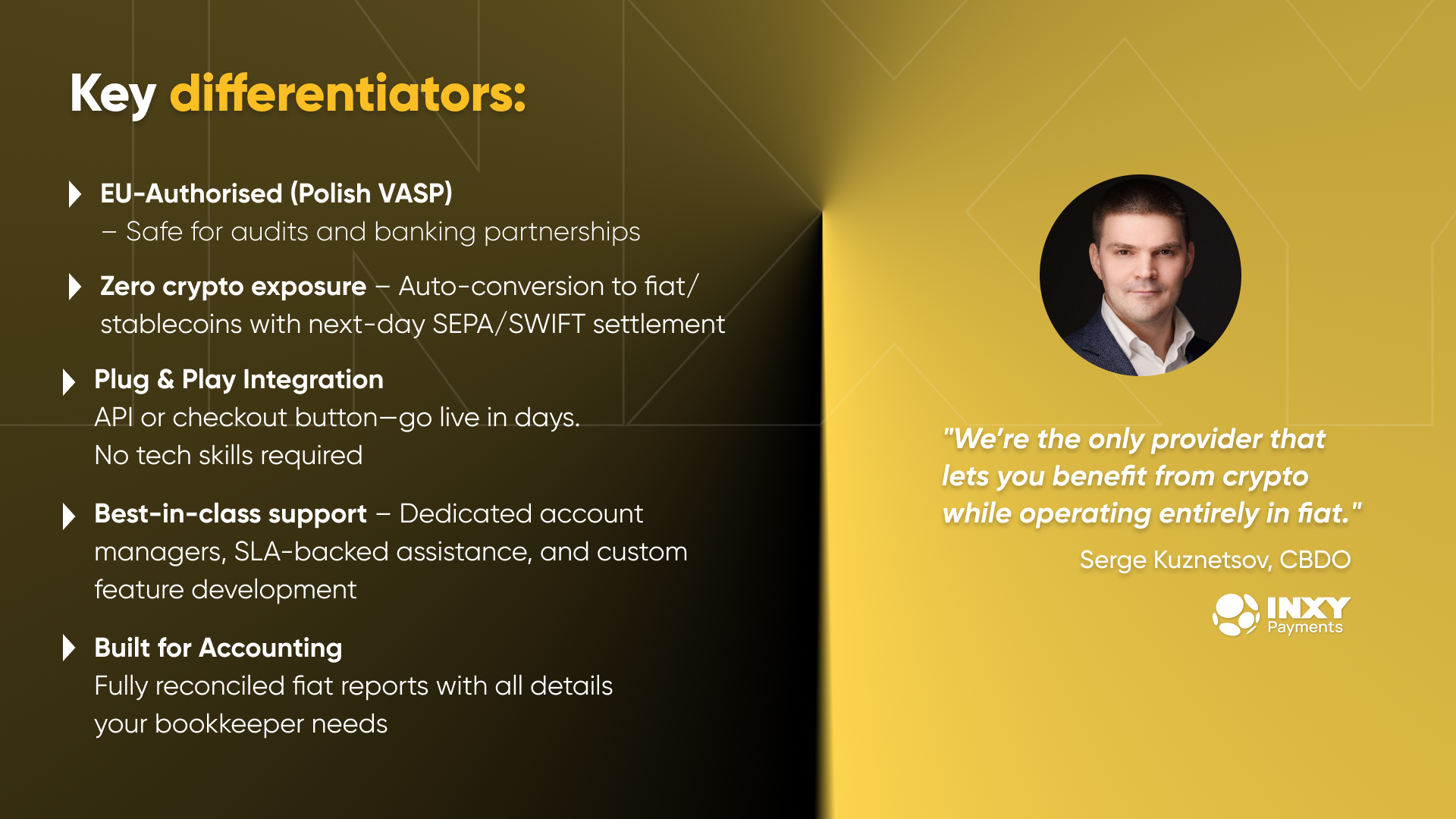
Ready to stop giving away your profit margins to payment processors? Discover how our automated payment gateway can drastically improve your server profitability by visiting https://www.inxy.io/ today.
This article compares USDT and USDC in 2026 with a focus on safety, regulation, and profitability. It explains how both stablecoins work, their key differences in transparency and reserve backing, and where each is most useful. Special attention is given to EU regulations and how MiCA has reduced USDT’s availability on regulated European exchanges. The article also covers market trends, interest opportunities, and real-world use cases. Readers get a clear recommendation based on location, risk tolerance, and financial goals.
Stablecoins are a type of cryptocurrency designed to maintain a stable value, often pegged to a currency like the US dollar. This means they don't have the wild price swings of other cryptocurrencies. Imagine having a digital coin that's as steady as the dollar in your pocket. That's what stablecoins aim to do. They provide a bridge between traditional finance and the digital world.
Why are they important? Well, they enable crypto payments without the fear of losing value overnight. For instance, if you send USDT or USDC to someone, you can be sure it will hold its value. These coins are popular for trading and saving money in the crypto market. They make it easy to move money around, whether you're shopping online or investing in digital assets.
Understanding USDT
Let's explore USDT, a popular stablecoin in the crypto world. USDT, also known as Tether, is pegged to the US dollar. This means each USDT is meant to equal one US dollar. People use USDT to avoid the high volatility often seen with other cryptocurrencies.
You might wonder how it stays so stable. The idea is simple: Tether claims to have reserves in US dollars for every USDT issued. This backing provides trust and stability for users.
USDT is widely used for crypto payments. Imagine buying Bitcoin or Ethereum with USDT instead of traditional money. It's faster and often cheaper. It also allows users to move funds between exchanges without converting to fiat money.
Understanding USDC
USDC, or USD Coin, is a type of digital currency known as a stablecoin. This means it is designed to have a stable value, unlike other cryptocurrencies that can be very volatile. USDC aims to maintain a 1:1 value with the US dollar, making it a popular choice for those looking to avoid the wild swings typical in the crypto world.
One key feature of USDC is its transparency. The company behind USDC, Circle, regularly shares reports on the reserves that back each coin. This helps build trust with users who want assurance that each USDC is truly backed by a dollar.
USDC is also built on the Ethereum blockchain, which means it can be used in various applications, from trading to paying for goods and services. This flexibility makes USDC useful for many crypto payment scenarios.
For example, if you want to send money to a friend in another country, you can use USDC to do this quickly and without high fees. This is one reason why many people consider USDC a reliable option in the stablecoin market.
By offering a stable value, transparency, and flexibility, USDC provides a practical choice for both beginners and seasoned crypto users.
Safety Considerations
When it comes to stablecoins, safety is a top priority. After all, no one wants to lose money because of a hack or technical glitch. So, how do USDT and USDC stack up in terms of safety? Let's break it down.
USDT, also known as Tether, has been around for a while. It's popular and widely used. However, it's faced some scrutiny over the years. There have been questions about its transparency and if it truly has enough reserves to back all the Tethers in circulation. These concerns can make people feel a bit uneasy.
On the other hand, USDC, which stands for USD Coin, is seen as more transparent. It's managed by a consortium called CENTRE, which includes big names like Coinbase and Circle. USDC regularly undergoes audits to prove its reserves, giving users more confidence.
Both stablecoins use blockchain technology to secure transactions. This technology is known for being secure and reliable. But, like anything digital, there are risks. Hackers are always looking for ways to exploit weaknesses. That's why it's crucial to use secure wallets and platforms to store your stablecoins.
In terms of regulation, USDC tends to be more compliant. It follows strict rules and guidelines to ensure its stability and safety. This can be reassuring for users who worry about legal issues.
So, when choosing between USDT and USDC, consider what matters most to you. Is it transparency, regulation, or something else? Each stablecoin has its strengths and weaknesses, so weigh them carefully.
The European Ban: A Major Setback for USDT in the EU
A significant recent development that cannot be ignored is the effective delisting of USDT on major cryptocurrency exchanges within the European Union. This move is a direct result of the EU's Markets in Crypto-Assets (MiCA) regulations.
What does this mean in practice?
While it's not illegal for individuals to hold or peer-to-peer trade USDT, regulated exchanges like Binance, Kraken, and others have suspended the trading of USDT for EU residents.
You can no longer easily exchange USDT for Euros or other cryptocurrencies on these mainstream platforms within the EU.
Why did this happen? The MiCA framework imposes strict requirements on stablecoin issuers, particularly concerning transparency and reserve backing. As reported by industry analysts, Tether's structure and level of transparency have so far not met the regulatory standards set by MiCA, leading to its removal from the regulated market.
What is the alternative for European users? This regulatory shift massively boosts the position of USDC. As a fully compliant and transparent stablecoin, USD Coin has become the dominant, regulated stablecoin of choice within the European single market. For EU-based traders and businesses, USDC is now the most liquid and accessible dollar-pegged stablecoin.
Profitability Analysis
When considering the profitability of USDT and USDC in 2026, it helps to look at their roles in the crypto market. Both stablecoins aim to provide stability, pegged to the US dollar. But how can one be more profitable than the other?
USDT, or Tether, is well-known for its liquidity. It's often used in trading because it's widely accepted on many crypto exchanges. This means more traders use USDT for quick exchanges between different cryptocurrencies. This high demand can sometimes lead to small profits from price fluctuations, even though it's a stablecoin.
Let's talk about USDC. It's issued by Circle and Coinbase, and it has a reputation for transparency. This trust can boost its utility. More businesses are open to accepting USDC for payments, which might make it more profitable for merchants and service providers. They can avoid the volatility of other cryptos while still enjoying the benefits of digital currency.
Now, consider the interest earnings. Some platforms offer interest on stablecoins. This is where the profitability can differ. USDC is often preferred for earning interest due to its transparency and backing. Users might find better interest rates on platforms that trust USDC's reserves.
In essence, USDT and USDC can both be profitable, but it depends on how they're used. For traders, USDT might offer quick gains. For those seeking interest or business utility, USDC could be the better choice. Understanding these nuances helps in deciding which stablecoin to use for different financial strategies.
Market Trends for 2026
The world of stablecoins like USDT and USDC is buzzing with changes as we look ahead to 2026. Crypto payment options are becoming more mainstream, and both USDT and USDC are riding this wave. But what can we expect in the next few years? Let's explore.
One of the big trends is the increasing use of stablecoins in everyday transactions. More people are using them to pay for goods and services. This is partly because stablecoins are pegged to the US dollar, making them less volatile than other cryptocurrencies. Businesses are also warming up to accepting stablecoins, which is good news for both USDT and USDC.
Another trend is the growing focus on regulation. Governments around the world are looking more closely at stablecoins. They want to ensure these digital currencies are safe and reliable. Regulations can affect how stablecoins are used and can impact their value. This means USDT and USDC might need to adapt to new rules to remain competitive.
In 2026, we might see more partnerships between stablecoin issuers and financial institutions. These partnerships aim to enhance trust and provide more services to users. Imagine being able to transfer your USDC from your crypto wallet directly to your bank account with ease. Such collaborations could make stablecoins more appealing and accessible.
Technology is another area where we see changes. Blockchain technology is evolving, and so is how stablecoins operate. Faster transaction times and lower fees could be possible. This would make using stablecoins more attractive to both businesses and individuals.
Environmental concerns are affecting the crypto world, and stablecoins are no exception. The energy consumption of blockchain networks is a hot topic. Both USDT and USDC issuers are looking for ways to reduce their environmental impact. This could involve adopting more energy-efficient technologies or supporting eco-friendly initiatives.
The competition between USDT and USDC is also something to watch. Each has its strengths and challenges. USDT is widely used, but USDC is praised for transparency. The balance between these factors could shift as the market evolves.
A key trend shaping the 2026 landscape is regulatory fragmentation. The EU's MiCA regulations have already created a clear divergence, with compliant stablecoins like USDC gaining official status while others, like USDT, are being pushed to the sidelines of the regulated market. This sets a precedent that other jurisdictions may follow, making regulatory compliance a primary factor for stablecoin survival and adoption.
Finally, the role of stablecoins in the global economy is expanding. They are becoming a bridge between traditional finance and the digital world. As more people globally gain access to the internet, stablecoins like USDT and USDC could play a crucial role in financial inclusion. This would allow more people to participate in the global economy without needing a traditional bank account.
These trends paint a dynamic picture for 2026. The stablecoin landscape is changing, and both USDT and USDC are at the heart of these changes. As we move forward, these developments can impact how we use and view stablecoins in our daily lives.
Conclusion: Which Is Better?
When it comes to choosing between USDT and USDC in 2026, the landscape has shifted significantly, especially for users in key markets like Europe.
USDT remains a giant in terms of global liquidity and is widely used for trading on international exchanges outside the EU. However, its lack of regulatory compliance in Europe is a major drawback. If you are based in the EU or plan to interact with the European market, USDT's utility is now severely limited.
USDC, on the other hand, is stronger than ever. Its commitment to transparency and regulatory compliance has positioned it as the premier stablecoin within the European Union and a trusted choice globally. If you value safety, future-proofing your assets, and seamless access to regulated exchanges, USDC is the clear winner.
The Verdict:
For traders outside the EU who prioritize deep liquidity on international platforms, USDT is still a tool, but one carrying higher regulatory risk.
For virtually everyone else, especially EU residents and those valuing long-term stability,USDC is the superior and safer choice for 2026. The European ban on USDT trading is a powerful indicator of where the market is heading: towards a regulated environment where transparency is paramount
FAQ
What are stablecoins and why are they important in the crypto market?
Stablecoins are a type of cryptocurrency designed to maintain a stable value, often pegged to a fiat currency like the US dollar. They are important because they provide a way for investors to mitigate volatility while still participating in the crypto market.
How does USDT differ from other stablecoins?
USDT, or Tether, was one of the first stablecoins and is widely used for trading and transactions. It is backed by reserves that include cash and other assets, although there has been controversy over its transparency and auditing practices.
Is USDT banned in the European Union?
No, USDT itself is not outright banned for individuals to hold. However, due to the EU's MiCA regulations, regulated cryptocurrency exchanges within the EU have suspended trading pairs for USDT. This means you cannot easily buy, sell, or trade USDT for other cryptocurrencies or euros on major licensed platforms like Binance, Kraken, etc., if you are an EU resident.
Can I still use USDT for business if I'm based in Europe?
This is a complex area. While holding might be permissible for individuals, using USDT for business operations—such as accepting it as payment from customers or using it for treasury management—carries significant regulatory risks under MiCA. The legal landscape is stringent, and non-compliance can lead to severe penalties.
What makes USDC a strong contender in the stablecoin market?
USDC, or USD Coin, is known for its transparency and regulatory compliance. It is fully backed by US dollars held in reserve and regularly audited, which enhances its credibility among investors seeking a reliable stablecoin.
What are the key safety considerations when choosing between USDT and USDC?
When evaluating safety, consider factors like regulatory compliance, audit transparency, and the backing of reserves. USDC is generally viewed as more transparent and compliant, whereas USDT has faced scrutiny over its reserve disclosures.
How does the profitability of USDT compare to USDC?
Profitability can be assessed through interest rates and yield opportunities. Both USDT and USDC offer interest through various platforms, but the rates can vary. It's important to compare the options available and consider your risk tolerance.
What market trends should investors watch for USDT and USDC in 2026?
In 2026, investors should watch for trends in adoption rates, regulatory changes, and technological advancements. Both USDT and USDC may see shifts in usage patterns as the cryptocurrency market evolves and matures.
Which stablecoin is likely to be the better choice in 2026: USDT or USDC?
The choice between USDT and USDC depends on your priorities. If transparency and regulatory compliance are paramount, USDC may be preferable. However, if market liquidity and usage are more critical, USDT could be more advantageous. Consider your investment goals carefully.
Crypto Payment Gateway vs. Processor: What’s the Difference?
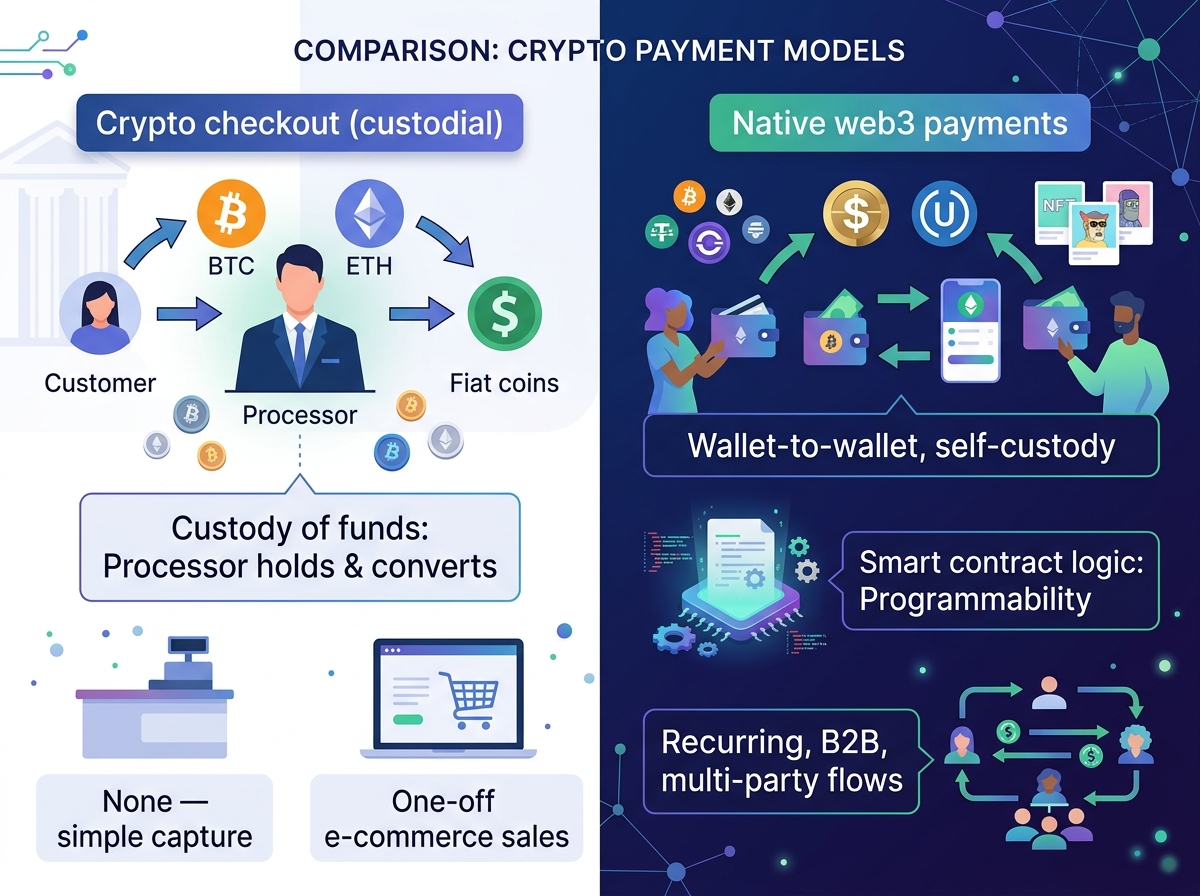
While the terms are often used interchangeably, choosing between a Crypto Payment Gateway and a Crypto Processor can fundamentally change how your business handles digital assets. One acts as the technical bridge, while the other serves as a comprehensive financial engine.
If you’ve spent any time navigating the fintech landscape in 2026, you’ve likely noticed that "crypto payment gateway" and "crypto payment processor" are thrown around like synonyms. In casual conversation, that’s fine. But if you’re a business owner in the EU trying to optimize your checkout or manage a complex treasury, the distinction matters. It’s the difference between a sleek front-end interface and the heavy-duty engine room that actually moves the money.
Let’s break down the technicalities of these two components and see how they work together to modernize your business.
The Crypto Payment Gateway: Your Digital Storefront
Think of the Crypto Payment Gateway as the "front-end" layer. It is the bridge between your website and the blockchain. Its primary job is to handle the customer-facing part of the transaction.
When a customer clicks "Pay with Crypto," the gateway jumps into action:
Checkout UI: It displays the QR code or wallet address.
Real-time Rate Locking: It calculates the exact exchange rate between, say, Bitcoin and the Euro, and freezes it for a few minutes so the customer knows exactly what they’re paying.
Data Transmission: It securely passes the transaction details to the processor.
Essentially, the gateway is the digital equivalent of a Point-of-Sale (POS) terminal. It’s all about user experience and making sure the "handshake" between the customer and the merchant is secure and seamless.
The Crypto Payment Processor: The Engine Room
While the gateway handles the "hello," the Crypto Payment Processor handles the "settlement." This is the back-end infrastructure that manages the lifecycle of the funds after the customer hits send.
The processor’s responsibilities are significantly broader:
Blockchain Validation: It monitors the network to confirm the transaction has reached the required number of blocks.
Settlement & Conversion: This is the big one. If you invoiced for €1,000 but the customer paid in Bitcoin, the processor handles the conversion and ensures those funds are ready for your bank account.
Compliance (KYC/AML): It runs the necessary checks to ensure the transaction isn't linked to illicit activity—a non-negotiable for EU-based businesses under current regulations.
Payouts: It manages the transfer of funds from the crypto ecosystem into your corporate SEPA or SWIFT account.
Comparison at a Glance
Feature
Crypto Payment Gateway
Crypto Payment Processor
Primary Role
Front-end UI / Communication
Back-end settlement / Logistics
Focus
User Experience (UX)
Compliance & Fund Movement
Key Output
QR Codes, API Callbacks
Fiat Payouts, Tax Reporting
Analogy
The Card Reader on the counter
The Bank/Clearing House
Why the Distinction Matters for EU Businesses
In the European fintech market, precision is everything. If you only use a "gateway" without a robust processing layer, you might find yourself with a wallet full of crypto but no easy way to pay your local taxes or suppliers in fiat.
Conversely, a processor without a good gateway might provide great liquidity, but your customers will struggle with a clunky, manual checkout process that kills your conversion rate.
This is where integrated solutions come in. Platforms like INXY bridge this gap by functioning as a unified ecosystem. By combining an EU-licensed gateway (the part your customers see) with a powerful processing engine (the part your accountant loves), it removes the friction of managing two separate services.
Why "All-in-One" is the 2026 Standard
Modern fintech has moved past fragmented tools. For instance, INXY Payments focuses heavily on high-conversion gateways specifically for e-commerce, infrastructure and hosting providers. Because they operate as an EU-authorized VASP (Virtual Asset Service Provider), the processing side is built-in.
For a merchant, this means:
Zero Volatility: The rate is locked at the gateway level and settled instantly at the processor level.
Mass Payouts: You can collect payments via the gateway and immediately use those funds to pay global affiliates or remote teams via the processor’s API.
Legal Clarity: Since the processor handles the KYB (Know Your Business) and AML checks, the funds landing in your bank account are "clean" and fully documented for tax purposes.
Summary
A gateway gets you paid; a processor keeps you in business. While they serve different technical functions, the most successful companies in 2026 are those that don’t make their customers (or their dev teams) choose between the two.
By using an integrated platform like INXY, you get the best of both worlds: a checkout experience that converts and a back-end that settles without the headaches of traditional banking delays.
This guide explains how to buy USDT, USDC, and DAI using the five most popular methods, including exchanges, bank transfers, cards, P2P platforms, crypto ATMs, and mobile apps. It breaks down the benefits of each option, helping readers choose the fastest and most cost-effective way to purchase stablecoins. The article also highlights key fees to consider and common mistakes to avoid. Strong emphasis is placed on security best practices to protect funds and personal data. By the end, readers know exactly how to buy stablecoins safely and confidently in 2026.
Stablecoins are a type of digital currency designed to keep their value stable. Unlike other cryptocurrencies, which can fluctuate wildly, stablecoins aim to maintain a fixed value. This stability makes them a popular choice for people who want to use digital money without worrying about price changes.
Many stablecoins are linked to traditional money like the US dollar. This link, often called pegging, helps keep their price steady. For example, if you buy one USDT, USDC, or DAI, it is usually worth about one US dollar. This makes it easy for people to understand and trust their value.
Stablecoins are used for various purposes. People can use them to send money across borders quickly and cheaply. They are also popular in trading, allowing users to move money between different cryptocurrencies without converting it back to traditional money. This flexibility makes stablecoins a key part of the digital currency world.
Why Buy USDT, USDC & DAI?
People often ask why they should invest in stablecoins like USDT, USDC, and DAI. These digital coins are tied to real-world currencies, like the US dollar. This makes them less risky than other cryptocurrencies that can jump up and down in value. Let's say you want to save money for a big purchase next year. Storing your money in stablecoins could help keep it safe from market swings.
Using stablecoins can also make transactions faster and cheaper. Imagine sending money to a friend in another country. Traditional banks can take days and charge high fees. But with USDT or USDC, the transfer is usually done in minutes, with lower costs. This speed can be a game-changer for both personal and business transactions.
DAI offers an interesting twist. It's a stablecoin managed by smart contracts on the blockchain, not by a central bank. This decentralization offers more control and transparency. If you value privacy and autonomy, DAI could be your go-to choice.
Choosing the Right Exchange
Picking the right exchange to buy USDT, USDC, and DAI can feel a bit like choosing a new car. You want reliability, trustworthiness, and something that fits your needs. Start by looking at the reputation of the exchange. Is it well-known and respected in the crypto community? Check user reviews and any news about security breaches.
Fees are another important factor. Some exchanges charge a percentage of your transaction, while others have flat fees. You want to find a balance between cost and convenience. Ease of use matters too. If the platform is too complex, it could lead to mistakes. Look for a user-friendly interface.
Consider the payment methods available. Can you use your credit card, bank transfer, or PayPal? More options mean more flexibility. Lastly, check if the exchange supports the stablecoins you want to buy. Not all exchanges offer USDT, USDC, and DAI. By taking these steps, you can choose an exchange that works best for you.
Using a Bank Transfer
Buying stablecoins like USDT, USDC, or DAI through a bank transfer can be a straightforward method. First, select a cryptocurrency exchange that allows bank transfers. Popular exchanges often have this option. Start by linking your bank account to the exchange. You might need to verify your identity, so have your ID ready. Once your account is linked, you'll transfer funds from your bank to the exchange. It may take a few days for the transfer to complete, depending on your bank's processing speed.
When your funds arrive in the exchange account, choose the stablecoin you want to buy. Then, enter the amount you wish to purchase and confirm the transaction. Bank transfers usually have lower fees compared to credit cards. This makes them a cost-effective choice. However, if you're in a rush, the slower processing time might not be ideal. Always check if there are any fees involved with your bank. Each bank's policies can vary, and it's good to know what to expect.
Credit and Debit Card Purchases
Buying stablecoins like USDT, USDC, and DAI with credit or debit cards is a popular choice. Why? It's quick and straightforward, just like buying your favorite online products. Many crypto exchanges allow you to link your card directly to their platform. Once linked, you can purchase stablecoins in just a few clicks.
It's important to know that some exchanges may charge a fee for card transactions. Fees can vary, so it's smart to compare before making a purchase. Also, keep an eye on your bank's foreign transaction fees, as these can add to your costs.
When using this method, security is key. Ensure your chosen exchange uses strong security measures. This helps protect your card and personal information. Always use trusted and verified platforms to avoid scams. Buying stablecoins with a card is easy, but it's wise to stay informed about costs and safety.
Peer-to-Peer (P2P) Platforms
Buying stablecoins like USDT, USDC, and DAI through P2P platforms can be a straightforward process. These platforms let you trade directly with another person, bypassing any middlemen. You can often find better deals because you're negotiating directly with sellers.
To get started, you'll need to register on a P2P platform. Most platforms require identity verification, but this is usually quick. Once registered, browse through the listings to find someone selling the stablecoin you want. Check their reputation score to ensure they're trustworthy.
After choosing a seller, you can initiate a trade. The platform will hold the stablecoin in escrow until the payment is complete. Payment methods vary, including bank transfers and digital wallets. Once the seller confirms the receipt of payment, the platform releases the stablecoin to you. This process makes P2P platforms a flexible option for buying stablecoins.
Using Crypto ATMs
Crypto ATMs have become a popular choice for people looking to buy stablecoins like USDT, USDC, and DAI. These machines offer a straightforward way to purchase digital currencies using cash or a credit card. You can find them in various locations, such as malls, convenience stores, and even airports.
To use a crypto ATM, you first need to find one near you. Websites and apps can help locate these machines. Once you reach the ATM, you choose the type of stablecoin you want to buy. The screen will guide you through the process, ensuring it's easy to follow.
Most crypto ATMs require you to scan a QR code from your digital wallet. This step links the purchased stablecoins directly to your wallet. If you don't have a digital wallet, some ATMs offer to create one for you on the spot. This feature is handy for beginners who might not have set up a wallet yet.
After choosing the stablecoin and scanning your wallet's QR code, you insert cash or use your credit card to make the purchase. The machine will show you the current rate and any fees involved. It's vital to check these rates and fees to ensure you're getting a good deal.
Crypto ATMs typically charge higher fees compared to online exchanges. This is due to the convenience they offer. But for those who prefer a quick, in-person transaction, the extra cost might be worth it. Plus, the process is often faster than waiting for bank transfers when buying online.
Overall, crypto ATMs provide a user-friendly option for buying stablecoins. With clear instructions and immediate transactions, they cater to both beginners and experienced users. As more ATMs pop up globally, they continue to make crypto transactions accessible to everyone.
Mobile Apps for Quick Purchases
Buying stablecoins like USDT, USDC, and DAI using mobile apps is a breeze in 2026. With just a tap, you can access digital currencies right from your smartphone. Let's explore how mobile apps have revolutionized the way we purchase stablecoins.
First off, mobile apps offer convenience. You can buy stablecoins anytime, anywhere. Whether you're at home, on the go, or even on vacation, your smartphone becomes a powerful tool for managing your digital assets. This flexibility is a game-changer for many people.
Now, let's talk about security. Mobile apps have stepped up their game with robust security features. Many apps use two-factor authentication, biometric logins, and encryption to protect your transactions. This ensures that your data and funds are safe from unauthorized access.
When it comes to speed, mobile apps are hard to beat. Transactions are often completed in seconds. This is especially useful when you need to buy stablecoins quickly due to market changes. No more waiting around for lengthy confirmations.
Mobile apps also offer user-friendly interfaces. They are designed to be intuitive, so even beginners can navigate through the app without hassle. Most apps provide step-by-step guides or tutorials to help you through the buying process.
Payment options are another highlight. Mobile apps typically support various payment methods like credit cards, bank transfers, and sometimes even PayPal. This variety makes it easier to choose a method that suits you best.
Customer support is also at your fingertips. Many mobile apps provide in-app chat support or detailed FAQs to assist users. If you face any issues, help is just a click away.
Let's not forget about notifications. Mobile apps can send you instant alerts about price changes or transaction statuses. This keeps you updated on your investments and helps you make timely decisions.
In 2026, buying stablecoins like USDT, USDC, and DAI through mobile apps is not just a trend, it's a preferred choice for many. The convenience, security, and speed make it a favored method for both new and seasoned users. So, if you haven't tried it yet, exploring mobile apps for stablecoin purchases might be a smart move.
Fees to Consider
When buying stablecoins like USDT, USDC, and DAI, fees can significantly impact your purchasing decision. Understanding these fees can help you find the best deals and avoid unnecessary costs. Let's break down the most common fees you may encounter.
Firstly, there's the transaction fee. This fee is charged by the platform where you buy your stablecoins. It can be a flat fee or a percentage of your purchase amount. For example, if a platform charges a 1% transaction fee and you're buying $100 worth of USDT, you'll pay an additional $1.
Another type of fee is the withdrawal fee. Once you've bought stablecoins, you might want to transfer them to a digital wallet. Some platforms charge a fee for this transfer. It's essential to check if the fee is fixed or varies depending on the amount you withdraw. A fixed fee can be more cost-effective if you're transferring a large amount.
Exchange rate fees can also play a role. When you use a credit card or bank transfer in a different currency, you might face a currency conversion fee. This fee is often hidden in the exchange rate offered by the platform. Comparing the exchange rate with the market rate can help you spot any discrepancies.
Some platforms offer discounts or even waive fees for using their native tokens or certain payment methods. For instance, if a platform has its token and you use it to pay for fees, you might get a discount. It's worth checking if such options are available to reduce your costs.
Lastly, be aware of inactivity fees. If you have an account on a platform but don't use it for a while, some platforms charge an inactivity fee. This is less common but can catch you off guard if you plan to hold your stablecoins for a long time without frequent activity.
To sum up, different platforms have different fee structures. It's crucial to read the fee schedules of various exchanges and platforms before deciding where to buy your USDT, USDC, or DAI. This knowledge will help you make informed decisions and keep more of your money in your pocket.
Security Tips When Buying Stablecoins
When you're diving into the world of stablecoins like USDT, USDC, and DAI, security should be at the top of your list. Let's break down some simple yet effective tips to keep your investments safe.
First things first, always use a secure and reputable exchange for your transactions. Popular exchanges often have stronger security measures in place, reducing the risk of hacks. Do a little research to find out which platforms have the best track record for security.
Another important step is to enable two-factor authentication (2FA) on your accounts. This adds an extra layer of protection by requiring not just a password, but a second piece of information that only you have access to. It's like having a double lock on your door.
Keep your private keys safe and never share them with anyone. Think of private keys as the password to your wallet. If someone else gets hold of them, they can access your funds. Consider using a hardware wallet to store your cryptocurrencies offline, away from online threats.
Phishing scams are another thing to watch out for. These are fake websites or emails that try to steal your information by pretending to be legitimate. Always double-check the URLs of the sites you visit and be cautious of links in emails.
Regularly update your software and wallets to the latest versions. Updates often contain security enhancements that protect against new threats. It's like keeping your antivirus software up-to-date to fend off viruses.
Lastly, be mindful of the information you share online, especially on social media. Publicly revealing details about your cryptocurrency holdings can make you a target for cybercriminals.
By following these tips, you can help secure your transactions and enjoy a safer experience in the world of stablecoins.
Conclusion: Your Path to Stablecoins
Navigating the world of stablecoins like USDT, USDC, and DAI can seem daunting at first. These digital currencies offer a stable alternative to more volatile cryptocurrencies. They are pegged to the value of traditional currencies, making them less subject to wild price swings. Let's explore how you can confidently step into the stablecoin space.
Imagine you're standing at the crossroads of traditional finance and the digital world. Stablecoins are like a bridge between these two realms. They combine the stability of fiat currencies with the advantages of blockchain technology. This makes them an attractive option for both seasoned investors and newcomers alike.
When you're considering buying stablecoins, think about why you want them. Are you looking to invest, send money overseas, or simply diversify your holdings? Knowing your purpose can help you choose the right stablecoin. For instance, USDT is widely used and easily accessible on many exchanges. USDC, on the other hand, is known for its transparency and regulatory compliance. DAI offers a decentralized option, which can appeal to those wary of centralized control.
Once you've decided on the stablecoin, it's time to find the best way to buy it. Consider factors like transaction fees, speed, and ease of use. You might choose a centralized exchange for its convenience or a decentralized one for its privacy. Each has its pros and cons, so weigh them carefully.
Before making a purchase, ensure your digital wallet is ready. This wallet will store your stablecoins securely. There are different types of wallets, such as hardware, software, and mobile wallets. Choose one that suits your needs and provides robust security.
Security is crucial when dealing with digital assets. Always use strong passwords and enable two-factor authentication. Be wary of phishing scams and other online threats. Keeping your assets safe is just as important as buying them.
As you venture into stablecoins, stay informed about market trends and regulatory changes. The world of cryptocurrency is ever-evolving, and being updated will help you make better decisions. Engage with online communities, read news articles, and follow industry experts to deepen your understanding.
Your journey into stablecoins can be rewarding. With careful planning and informed choices, you can make stablecoins work for you. Whether it's for investment, transactions, or hedging against volatility, stablecoins offer a world of opportunities. Embrace this digital frontier with confidence, and you'll find a stable path forward.
FAQ
What are stablecoins and why are USDT, USDC, and DAI popular?
Stablecoins are cryptocurrencies designed to minimize price volatility by being pegged to a reserve of assets, like fiat currency. USDT, USDC, and DAI are popular because they offer stability, making them ideal for trading, hedging, and transfers within the crypto ecosystem.
Why should I consider buying USDT, USDC, or DAI?
These stablecoins are beneficial for preserving value, facilitating seamless crypto transactions, and providing a reliable medium for trading and investment strategies without the volatility of other cryptocurrencies.
How do I choose the right exchange for buying stablecoins?
Look for exchanges with competitive rates, low fees, strong security measures, good user reviews, and those that offer the trading pairs you need. Consider factors like liquidity, user interface, and customer support as well.
Is it cost-effective to buy stablecoins using a bank transfer?
Yes, bank transfers often have lower fees compared to credit/debit card purchases. However, it's important to check the exchange's fee schedule and processing times to minimize costs and delays.
What should I know about buying stablecoins with a credit or debit card?
Purchasing with a credit or debit card is convenient but usually comes with higher fees and lower purchase limits. Ensure you're aware of the costs and verify the legitimacy and security of the platform you're using.
How can I use Peer-to-Peer (P2P) platforms to buy stablecoins?
P2P platforms allow you to buy stablecoins directly from other users, often at competitive rates. Ensure you use reputable platforms, check user ratings, and follow security measures to protect your transactions.
Are there any security tips I should follow when buying stablecoins?
Always enable two-factor authentication, use secure wallets, verify the legitimacy of exchanges or sellers, and avoid sharing personal information. Regularly monitor your accounts and transactions for any suspicious activity.