How to Verify a Merchant Account? Step-by-Step Guide
Navigating the regulatory landscape of 2026 is crucial for any business accepting digital assets. This guide provides a comprehensive, step-by-step walkthrough of the merchant verification process for crypto payment gateways in the European Union. From understanding the Markets in Crypto-Assets (MiCA) regulation to mastering the Know Your Business (KYB) documentation requirements, we detail exactly how to secure a verified, bank-grade account. Whether you are in e-commerce, hosting, or high-risk industries, this unified framework ensures your business is compliant, secure, and ready for the global economy.

How to Verify a Merchant Account? Step-by-Step Guide
The institutionalization of the digital asset economy within the European Union has reached a definitive stage. As the financial sector navigates the complexities of the mid-2020s, regulatory compliance and operational excellence are no longer optional for businesses seeking to leverage blockchain-based financial rails.
For crypto payment gateways based in the EU, such as INXY Payments, the verification workflow represents the first and most critical touchpoint in establishing a secure, bank-grade relationship with professional partners. This report provides an exhaustive analysis of the merchant verification process, grounded in the primary directives of the Markets in Crypto-Assets (MiCA) Regulation and the practical requirements of the Know Your Business (KYB) standards.
The Regulatory Landscape: MiCA, TFR, and DAC8
The "Regulatory Rubicon" has been crossed, shifting the focus of European authorities from drafting policy to aggressive enforcement. Central to this environment is the Markets in Crypto-Assets Regulation (MiCA), which has successfully harmonized the rules for digital assets across all 27 EU member states.
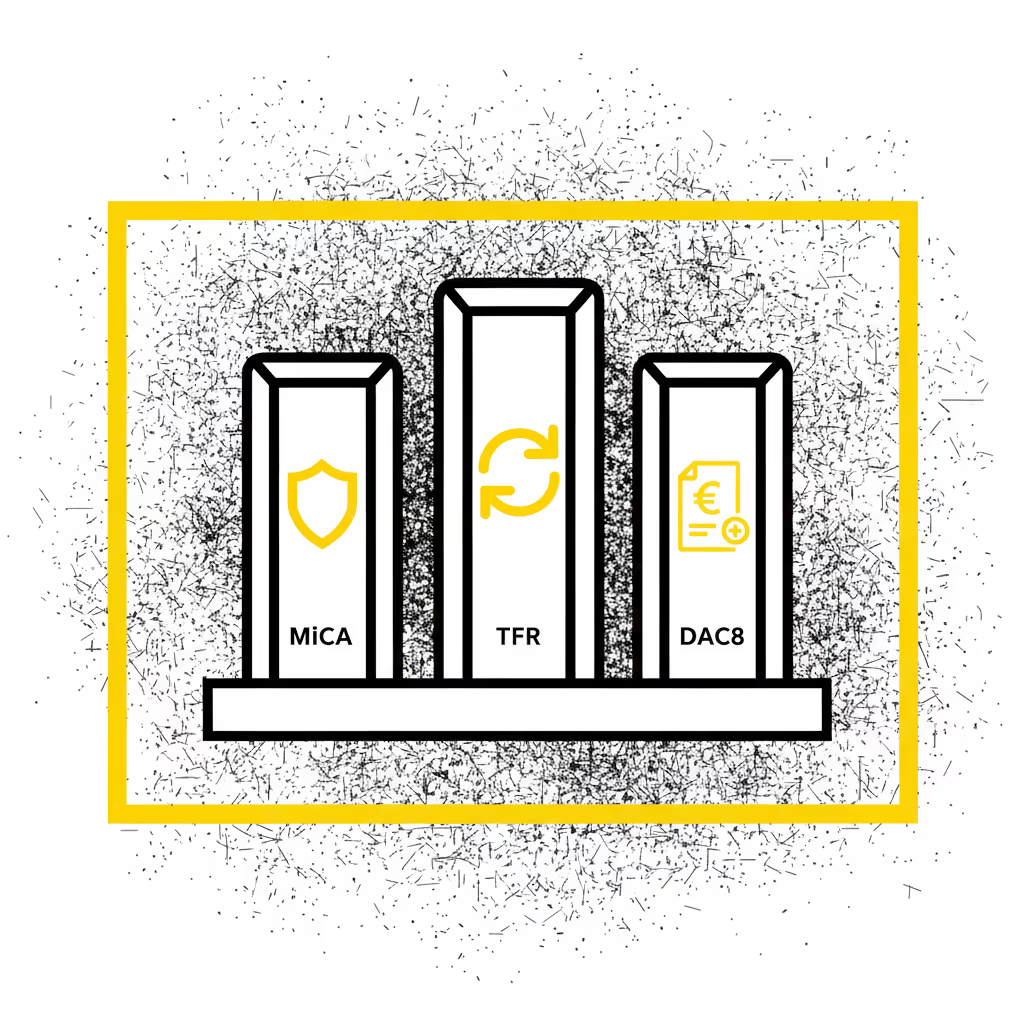
The verification process is now governed by three key frameworks:
MiCA Authorization: Eliminates the "Wild West" era, ensuring only fully authorized providers operate within the EEA.
Transfer of Funds Regulation (TFR): Enforces a "Zero Threshold" policy for the "Travel Rule," requiring detailed data on the originator and beneficiary for every transaction.
DAC8: Mandates strict tax reporting and the collection of Tax Identification Numbers (TINs) to ensure fiscal transparency.
Architecture of the Know Your Business (KYB) Process
Know Your Business (KYB) is the primary defensive mechanism used by fintech gateways. Unlike Know Your Customer (KYC), which focuses on individuals, KYB requires a deeper exploration of corporate hierarchies.
The Verification Objectives:
Legal Existence: Proving the business is a real, registered entity.
Control Disclosure: Identifying the Ultimate Beneficial Owners (UBOs) to prevent the use of shell companies for illicit activities.
Risk Scoring: Evaluating the industry, geography, and transaction profile of the merchant.
The INXY Payments Verification Workflow: A Step-by-Step Guide
The verification process is designed to be rigorous yet streamlined, ensuring all participants meet EU compliance standards. This is a unified process applicable to all merchants, regardless of their industry or integration method.
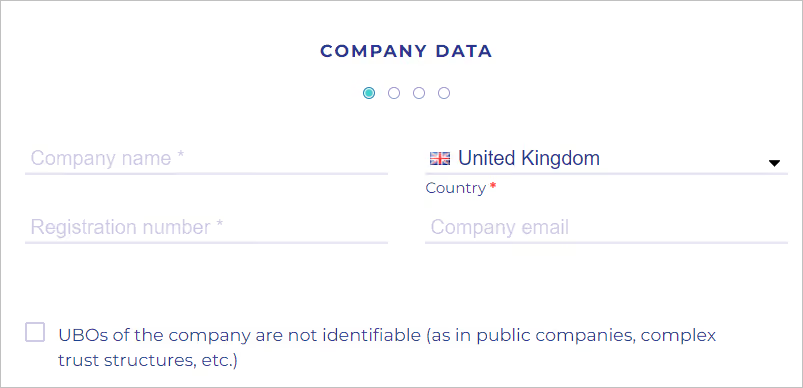
Step 1: Initial Company Data Intake
The process commences with the "Company data form." The merchant must enter fundamental identifying information, including the legal Company Name, official Registration Number, and Country of Registration.
Note: Providing a direct company email is recommended to ensure a clear line of communication with compliance officers.
Step 2: Comprehensive Documentation Upload
Merchants must validate their legal status by uploading a robust evidentiary file. Mandatory documents typically include:
Certificate of Incorporation / Business Registration: Proof that the entity exists in a government registry.
Articles of Association (AOA): Defines the entity's operations and leadership structure.
Operating License: Required only if the merchant operates in a specifically regulated sector (e.g., gambling, forex).
Identifying the natural persons who ultimately control the entity is the cornerstone of EU AML regulations.
The 25% Rule: Merchants must identify any natural person holding more than 25% of ownership shares or voting rights.
Verification: For each UBO, the system requires their full name, date of birth, and contact details. Identity verification can be performed live or via a secure link sent to the stakeholder.
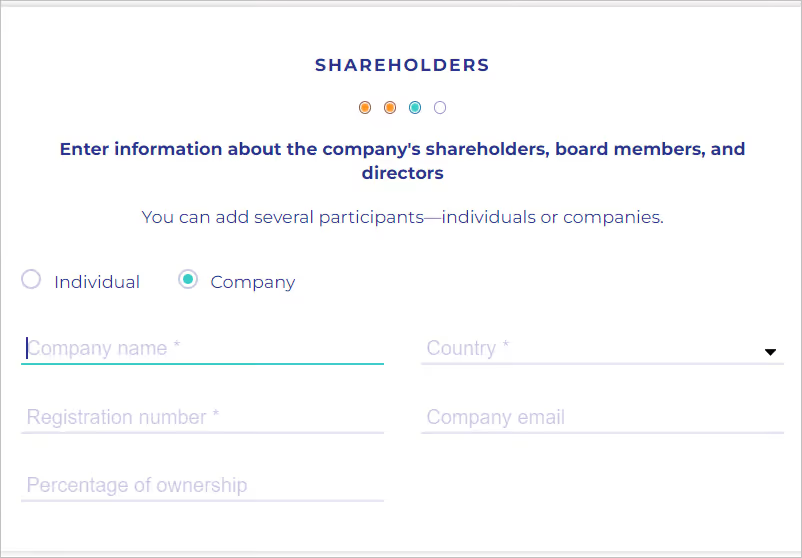
Step 4: Shareholder and Representative Verification
Corporate Shareholders: If a shareholder is another company, the merchant must provide that entity's Articles of Association and trace the ownership chain back to a natural person.
Legal Representative: Data must be provided for the person acting on behalf of the company, ensuring they have the legal authority (e.g., Director status or Power of Attorney) to open financial accounts.
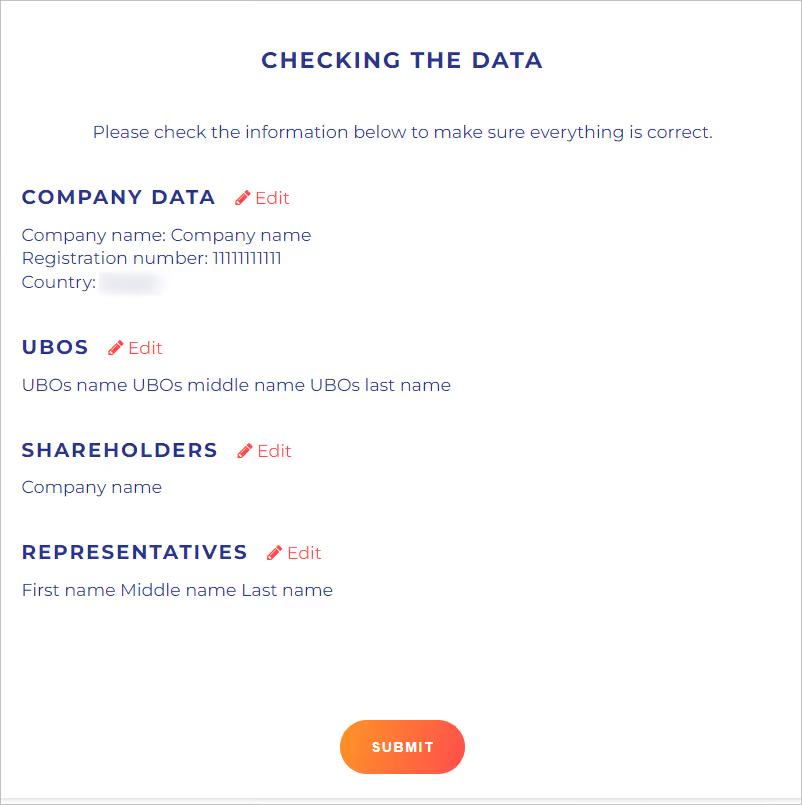
Step 5: Final Validation and Submission
The penultimate step is a thorough review of all provided data. Once confirmed, the application enters the compliance review queue. Thanks to automated systems, merchants can track their status in real-time via their dashboard.
Document Requirements and Authentication Standards
The integrity of the verification process relies entirely on the quality of the documentation. The European fintech environment maintains a high bar for validity.
Mandatory Conditions for Approval:
Language: All documents must be in English. If the original is in another language, a notarized translation is required.
Authentication: Documents must be "official," bearing the necessary stamps, signatures, or qualified electronic seals as per local laws.
Recency: Extracts from commercial registries generally should not be older than 3 months to ensure the data is current.
Common Reasons for Rejection:
Typos: Mismatches between the input form and the uploaded PDF.
Missing Pages: Uploading incomplete Articles of Association.
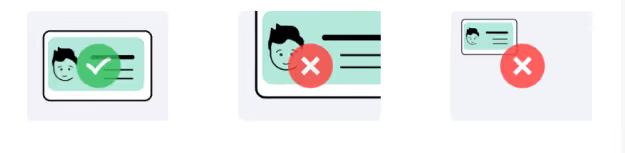
Low Quality: Blurry scans or photos where text is illegible.
Security and Data Protection (GDPR & DORA)
The sensitive nature of KYB data requires the highest levels of protection.
GDPR Compliance: Data is used solely for client identification and activity justification, adhering to the principle of "Purpose Limitation."
DORA (Digital Operational Resilience Act): Mandates that payment gateways demonstrate resilience against cyber threats. Data is encrypted at rest and in transit, with role-based access ensuring only authorized compliance personnel can view identity files.
Conclusion: Compliance as a Competitive Advantage
Completing the merchant verification process is more than a regulatory hurdle; it is a strategic move that positions a business as a credible player in the global economy. By adhering to this standardized verification workflow, merchants—whether they are hosting providers, e-commerce stores, or digital service agencies—secure a stable, bank-grade foundation for their financial operations.
In the mature crypto economy of 2026, a verified account is the key to unlocking global markets, ensuring seamless settlements, and protecting business capital from regulatory friction.

In recent years, cryptocurrency has taken center stage in the world of finance. Back in the day, only tech enthusiasts and a few daring investors dabbled in it. Fast forward to 2026, and getting paid in crypto has become a norm for many. With the rise of Bitcoin (BTC), Tether (USDT), and USD Coin (USDC), businesses and freelancers have more options than ever.
Why this shift? Traditional banks can be slow and expensive for international transactions. Crypto payments solve this by being faster and often cheaper. Imagine a freelancer in India working for a company in the US. With crypto, they can receive their payment in minutes rather than days.
Platforms that support crypto payments have also grown. These platforms help businesses pay employees in digital currencies, making the process smooth. More companies see the potential in crypto payroll, offering it as a payment option. As this trend continues, getting paid in crypto could become as common as using a credit card.
Understanding USDT, USDC, and BTC
Let's dive into the world of crypto, especially USDT, USDC, and BTC. These three are top players in the cryptocurrency arena. USDT and USDC are what's known as stablecoins. This means their value is tied to the dollar. So, if you're dealing with USDT or USDC, you're looking at a stable value, usually one dollar. This makes them great for transactions, as you avoid big price swings.
BTC, or Bitcoin, is a bit different. It’s the first and most famous cryptocurrency. Unlike stablecoins, Bitcoin's value can change a lot. It’s often seen as digital gold. Why? Because people use it to store value over time.
Imagine you’re sending money to a friend abroad. Using USDT or USDC might be your choice for a stable transaction. But if you're investing for the future, Bitcoin could be more appealing. Each has its own use, and knowing these differences helps you choose the right one.
Choosing the Right Crypto Payment Platform
Picking a crypto payment platform is a bit like choosing a new phone. You want something reliable, easy to use, and packed with features. Let's look at some key things to consider.
First, security is crucial. Look for platforms with strong protection like two-factor authentication. This keeps your funds safe from hackers. Platforms like Coinbase and Binance have solid security measures, making them popular choices.
Next, think about the currencies you need. Some platforms support only a few, while others have a broader range. If you want to get paid in USDT, USDC, or BTC, ensure the platform you choose supports these.
Transaction fees are another point to consider. Some platforms charge more than others. Compare fees to avoid surprises later. Lower fees can mean more money in your pocket.
User experience is important too. A simple and clean interface makes transactions easier. Platforms with good customer support can also be a lifesaver if you encounter problems.
Lastly, check for any extra features. Some platforms offer benefits like staking or lending options. These can give you more ways to earn from your crypto.
Choosing the right platform takes a bit of research, but it's worth it for a smooth experience.
Setting Up Your Crypto Wallet
Getting paid in crypto means you'll need a wallet to store your digital coins. Think of a crypto wallet as your virtual bank account. It's where you keep your crypto earnings safe and sound. Let's break down the process of setting up your own crypto wallet.
First, you'll need to choose the type of wallet that suits your needs. There are two main types: hot wallets and cold wallets. Hot wallets are connected to the internet. They're like the apps on your phone or computer. They're easy to use and perfect for quick transactions. Examples include Trust Wallet or MetaMask. Cold wallets, on the other hand, are offline. They're secure and ideal for storing large amounts of crypto. Picture them as USB sticks that hold your digital currency. Popular cold wallets include Ledger Nano and Trezor.
When choosing a cold wallet, it's exciting to see the latest tech. For example, the new Trezor Safe 7 features a state-of-the-art 7th generation secure chip and even includes protection against future quantum computer threats. Other brands are rethinking the design entirely. Take Tangem—it uses a set of sleek cards with a high-security 6th generation chip. A major plus is that it removes the stressful "seed phrase" you have to write down and keep safe. Instead, you can restore access using your backup cards. (Note: it works with your phone via NFC to make transactions).
Once you've decided on the type, it's time to set it up. If you go with a hot wallet, download the app or software from a trusted source. Be careful of fake sites or apps. They can trick you into giving away your crypto. After downloading, follow the setup instructions. You'll likely be asked to create a username and password. Keep this information safe and private.
In the case of a cold wallet, you'll purchase the device from a reputable store. When it arrives, connect it to your computer and follow the instructions. You'll be guided to set up a PIN and, for most models, a recovery phrase. This recovery phrase is crucial. It's a set of random words that help you recover your wallet if it's lost or stolen. Write them down on paper and store them in a secure place. (Remember, wallets like Tangem offer a different, card-based recovery method).
Next, you need to fund your wallet. To get paid in crypto, share your wallet address with your employer or client. This address is like your bank account number. It's a long string of letters and numbers. Ensure you share the correct address for the specific crypto you're using, like USDT, USDC, or BTC.
Finally, always keep your wallet updated. Developers often release updates to improve security and add features. Regularly backing up your wallet (whether it's your seed phrase or backup cards) is a good habit too. It protects your funds against potential losses.
Setting up a crypto wallet might seem tricky. But with careful steps and modern options that boost both security and convenience, you can have a secure place for your crypto payments.
Integrating Crypto Payroll for Businesses
In 2026, more businesses are looking at crypto payroll as a smart move. Paying employees with digital currencies like BTC, USDT, and USDC is no longer a novelty. It's becoming common. But how does one actually integrate crypto payroll into a business? Let's break it down.
First, you need a solid crypto payment platform. These platforms act as the backbone for crypto payroll. They manage transactions and convert fiat to crypto or vice versa. Popular platforms offer easy setup and user-friendly interfaces. They let you automate payments, ensuring timely salaries in digital currency. Crucially, the right platform handles the complex "blockchain plumbing" for you:
Gas Management: Gas fees vary by network and can cause payments to fail. Your platform should automatically calculate optimal fees and adjust during network congestion so transactions go through without manual intervention.
Error Handling: Don't rely on systems that fail silently. Choose a provider that actively monitors transactions and automatically retries failed payments, offering features like gas refunds for failures to reduce payout issues.
Auto-Conversion: Accepting crypto is only half the solution. Look for infrastructure that supports automatic conversion of received crypto into your preferred settlement currency (like fiat or a stablecoin) at the point of receipt. This ensures operational efficiency and minimizes FX risk for your business.
Legal compliance is crucial. It's important to check local laws regarding crypto payroll. Some regions have specific regulations. For instance, tax implications might differ from traditional payroll systems. Consulting a financial advisor who understands crypto can be a wise step.
Choosing the right digital wallet is vital. A secure wallet ensures your funds are safe. There are software wallets for ease of access and hardware wallets for added security. Businesses often use multiple wallets for different purposes, like one for daily transactions and another for savings.
Employee education is the next step. Not all employees may be familiar with crypto. Offering training sessions can help them understand how to use digital wallets and the benefits of receiving crypto payments. This can increase their confidence and acceptance of this new payment method.
Lastly, consider transaction fees. Crypto transactions can incur fees, which vary between currencies and platforms. It's smart to compare rates and choose the most cost-effective option for your business. This helps in maintaining a budget-friendly payroll system while embracing the future of finance. A robust platform simplifies this by providing clear fee structures and handling the variable costs of gas and conversions automatically.
Tax Implications of Getting Paid in Crypto
Getting paid in crypto might sound exciting, but it's important to think about taxes. Just like regular money, crypto is subject to tax rules. These rules can change based on where you live, so it's good to check with local tax authorities.
When you receive crypto as payment, it's often seen as income. This means you'll pay tax on the value of the crypto at the time you get it. If your employer pays you in crypto, they might report this to tax authorities just like they would with regular salaries.
If you sell your crypto later, you might have to pay more taxes. This is called capital gains tax. The gain is the difference between what you sold it for and what it was worth when you got it. For example, if you receive Bitcoin worth $500 today and sell it later for $700, you might pay tax on the $200 gain.
Countries have different rules for crypto taxes. In the U.S., for example, the IRS treats crypto as property. This means you might need to keep records of transactions to report during tax season. Some countries might have more relaxed rules, while others could be stricter.
Modern payment platforms help solve these complexities by offering the ability to legally accept, send, and exchange cryptocurrencies just like regular money, while minimizing your tax and accounting burden. For example, you can use a system where you receive fiat directly—with no need to personally hold crypto assets. This approach significantly reduces volatility risk, compliance complexity, and operational friction.
There are tools to help you manage crypto taxes. Some platforms track transactions and provide reports. This can make it easier to understand what you owe. It's also useful to consult with a tax professional who knows about crypto to avoid mistakes.
Crypto taxes can seem tricky, but understanding the basics can help you stay on track. Keep records of your transactions and check local laws to ensure you're complying with tax requirements.
The Future of Crypto Payments
The world of crypto payments is evolving rapidly. By 2026, we can expect to see more businesses and individuals using cryptocurrencies like USDT, USDC, and BTC for everyday transactions. One reason for this growth is the increasing trust in blockchain technology. As more people understand how it works, they feel more comfortable using it. This trust is a big factor in making crypto payments more popular.
Many companies are already exploring how to make crypto payments easier. Some are developing platforms that allow users to pay with crypto just as easily as with cash or credit cards. These platforms are designed to be user-friendly, so even those new to crypto can use them without any trouble. For instance, some platforms are focusing on seamless integration with existing payment systems. This means you can use your favorite crypto wallet to make payments at stores that accept crypto.
Another trend we're seeing is the rise of stablecoins like USDT and USDC. These coins are tied to traditional currencies, so their value remains stable. This stability makes them attractive for everyday use, as people don't have to worry about sudden price changes. As a result, more businesses and consumers are choosing stablecoins for transactions.
Regulations are also playing a crucial role in shaping the future of crypto payments. Governments around the world are working to create laws that protect users and encourage innovation. These regulations help create a safe environment for people to use crypto without fear of scams or fraud.
Finally, the future of crypto payments will likely involve new technologies. Innovations like smart contracts and decentralized finance are already changing the way payments are processed. These technologies make transactions faster, cheaper, and more secure. As they become more widespread, they will make crypto payments even more appealing.
The future of crypto payments looks bright. With trust in blockchain growing, user-friendly platforms emerging, stablecoins gaining popularity, supportive regulations, and new technologies on the horizon, it's clear that cryptocurrencies will play an important role in the global economy.
FAQ
What are the benefits of getting paid in cryptocurrencies like USDT, USDC, and BTC?
Cryptocurrencies like USDT, USDC, and BTC offer benefits such as faster transaction times, lower fees, and increased global access. They also provide a hedge against local currency inflation and can be easily converted into other assets.
How do USDT, USDC, and BTC differ in terms of payment?
USDT and USDC are stablecoins, meaning they are pegged to the US dollar, making them less volatile and ideal for stable transactions. BTC is more volatile, which can be a benefit for potential gains but also carries more risk.
What should I consider when choosing a crypto payment platform?
When choosing a crypto payment platform, consider factors like security features, transaction fees, supported cryptocurrencies, user interface, and customer support. Research and compare reviews to find a platform that aligns with your needs.
How do I set up a crypto wallet to receive payments?
To set up a crypto wallet, choose a wallet type (hardware, software, or web-based), download the app or software, create an account, and securely store your private keys and recovery phrase. Follow the wallet’s specific setup instructions to ensure security.
Can businesses easily integrate crypto payroll systems?
Yes, businesses can integrate crypto payroll systems by partnering with specialized service providers that offer seamless integration with existing payroll systems. These services handle the conversion and distribution of fiat to cryptocurrency.
Are there tax implications for receiving income in crypto?
Yes, receiving income in crypto is subject to tax regulations in most jurisdictions. You must report crypto earnings as income, and it may be treated as capital gains when converted to fiat currency. Consult a tax professional for specific guidance.
What does the future hold for crypto payments by 2026?
By 2026, crypto payments are expected to become more mainstream, with increased adoption by businesses and individuals. Advances in blockchain technology and regulatory clarity may lead to more secure and efficient payment systems, further integrating cryptocurrencies into the global economy.
The world of payments is changing quickly, and crypto is leading the charge. As more people understand digital currencies, companies are eager to accept crypto payments. This shift is not just for tech giants; even small businesses are jumping on board. They see the benefits, like lower fees and faster transactions.
Consider a coffee shop that starts to accept crypto. They can attract tech-savvy customers who prefer using digital wallets over traditional money. There's also the appeal of stablecoins, which offer the stability of traditional currencies with the speed of crypto. These coins are less volatile, making them a safer choice for businesses.
In 2025 and 2026, more companies will likely join this trend. The rise of crypto payments is creating a new business landscape, where flexibility and innovation are key. As we move forward, this trend will reshape how we think about money and transactions.
Case Study 1: Tech Giant X
In 2025, Tech Giant X made a bold move by choosing to accept crypto payments. This decision came after noticing a rising trend in digital currencies. The company saw a chance to reach a broader audience, especially tech-savvy individuals keen on using cryptocurrencies.
At first, they focused on using Bitcoin and Ethereum, which were popular at the time. To manage the volatility of these currencies, they decided to use a stablecoin backed by real assets. This step ensured they kept financial stability while still embracing innovation.
The shift required some changes in their payment system. They partnered with a leading crypto payment processor to handle transactions smoothly. This partnership allowed them to offer a seamless shopping experience to users paying with crypto.
Tech Giant X's strategy paid off. They noticed an increase in sales among younger customers. The move also positioned them as a leader in the industry, inspiring other companies to explore cryptocurrencies.
Case Study 2: Retail Chain Y
Retail Chain Y, a well-known department store, made headlines in 2026 by deciding to accept crypto payments. This decision came after noticing a shift in customer preferences. More shoppers wanted to use digital currencies like Bitcoin and stablecoin. The management saw this as a chance to attract tech-savvy customers.
To make this happen, Retail Chain Y partnered with a blockchain payment provider. This allowed them to integrate crypto transactions easily. They set up user-friendly terminals at checkout points. Customers could now scan a QR code on their phones to pay with crypto.
The process was smooth and fast, making it popular among customers. This move not only boosted sales but also positioned the chain as a modern and innovative company. By accepting crypto, Retail Chain Y tapped into a growing market and won the loyalty of new customers.
Case Study 3: Food Delivery Service Z
In 2025, Food Delivery Service Z decided to accept crypto payments. This change was driven by the need to reach tech-savvy customers who value convenience and digital innovation. By accepting crypto, the company tapped into a growing customer segment that prefers using cryptocurrencies for everyday transactions.
To make the transition smooth, Service Z partnered with a crypto payment processor. This ensured transactions were quick and secure. Customers could pay using popular cryptocurrencies like Bitcoin and Ethereum, as well as stablecoins, which offer price stability.
Service Z’s decision to accept crypto also helped them stand out in the crowded food delivery market. They marketed this feature prominently, attracting more users who appreciated the flexibility and novelty of paying with digital currencies. This move not only boosted their customer base but also increased their brand visibility.
Case Study 4: Hosting Provider С
Instead of redesigning their whole billing system, the company added a stablecoin option through an external payment API. The goal wasn’t to replace their existing methods. They only wanted to give customers another way to pay without changing the rest of their workflow.
The technical setup was straightforward. Their team added a new payment route, tested a few transactions, and then made it available to users. Customers could now pay invoices in USDT or USDC. The hosting provider kept accounting in euros, which made reporting easier for their finance team.
A few patterns appeared after the first months:
A noticeable share of crypto users paid for 12 to 24 months upfront, far more than the typical card-paying customers.
Several new customers arrived who had never used the provider before, matching the trend that around 40% of crypto-paying users tend to be new to the merchant.
Some customers increased their spending slightly when crypto were available, which aligned with general industry data showing that crypto users often spend more when given the option.
The company also saw traffic from regions where card payments didn't always work well, and stablecoins offered a more reliable way to complete orders.
The change also highlighted an internal benefit: staff no longer had to manually track crypto receipts or confirm transaction hashes. The API returned all details in one place, which reduced back-and-forth during billing checks.
Hosting Provider Z did not run marketing campaigns around the new feature. They simply added it to their billing page. Still, it became a regular payment method for a specific segment of their clients — mostly developers who were already familiar with digital assets.
By the end of the year, the company concluded that stablecoin support didn’t transform their business, but it made payments smoother for a meaningful group of users. It also helped them understand how digital dollars fit into hosting, which gave them clearer ideas for future improvements
Case Study 5: E-commerce Platform B
In 2025, E-commerce Platform B made a bold move. They decided to accept crypto payments. This decision was not only innovative but also strategic. The world was moving towards digital currencies, and they wanted to be at the forefront.
The first step was to choose which cryptocurrencies to accept. They went with popular ones like Bitcoin and Ethereum. But they didn't stop there. They added stablecoins too. Stablecoins are digital currencies with a stable value, often linked to a currency like the US dollar. This way, they could offer their customers more options.
Next, they had to make sure their system could handle crypto payments. This wasn't simple. They needed to integrate a secure payment gateway. They partnered with a company specializing in crypto transactions. This ensured that all payments were safe and fast.
Training their staff was another important step. Many employees were new to cryptocurrencies. They needed to understand how to process these transactions. E-commerce Platform B held training sessions to teach them about different cryptocurrencies. They also learned how to deal with any issues that might arise during transactions.
Marketing played a vital role in this transition. They launched a campaign to inform customers about their new payment options. They used social media to reach a wider audience. The message was clear: customers could now pay with crypto.
The decision to accept crypto brought in new customers. Many people prefer using digital currencies for online shopping. E-commerce Platform B saw an increase in sales. Customers appreciated the variety of payment methods.
Accepting crypto payments also positioned them as a forward-thinking company. It showed they were ready to embrace new technology. This decision set them apart from competitors who were still wary of digital currencies.
E-commerce Platform B's journey was not without challenges. They faced technical issues and had to ensure compliance with regulations. But their determination paid off. By 2026, they were a leader in the e-commerce industry, thanks to their innovative approach to payments.
Case Study 6: Online Marketplace A
In 2025, Online Marketplace A, a well-known player in the e-commerce sector, decided to embrace cryptocurrency payments. This bold move aimed to attract tech-savvy consumers and stay ahead of the competition. With the growing interest in digital currencies, the marketplace saw an opportunity to expand its customer base.
To start, the company needed to choose which cryptocurrencies to accept. After thoughtful consideration, they opted for popular ones like Bitcoin and Ethereum, as well as stablecoins. Stablecoins, being less volatile, offered a more predictable value, making them appealing for both the company and its customers.
Integrating crypto payments required some technical upgrades. The company partnered with a payment processor specializing in digital currencies. This partnership ensured smooth transactions and reduced the risk of potential security issues. It was essential to make the payment system user-friendly, so customers could easily complete their purchases with crypto.
Online Marketplace A didn't stop at just accepting crypto payments. They launched a marketing campaign to promote this new feature. The campaign targeted tech enthusiasts and highlighted the benefits of using cryptocurrencies, such as lower transaction fees and increased privacy.
The results were impressive. Within months, the marketplace saw a surge in new customers, many of whom preferred crypto over traditional payment methods. Existing customers also expressed satisfaction with the added payment options, which improved their shopping experience.
This case shows how strategic planning and innovation can help companies adapt to changing market trends. By accepting crypto, Online Marketplace A not only attracted more customers but also positioned itself as a forward-thinking leader in the e-commerce industry.
Case Study 7: Nonprofit Organization D
In 2025, Nonprofit Organization D decided to accept crypto payments. Their goal was to reach a global audience and increase donations. Digital currencies provided a way to lower transaction fees and offer donors more options. By accepting crypto, they made it easier for people worldwide to contribute to their cause.
The organization started by exploring different cryptocurrencies. They chose to accept Bitcoin, Ethereum, and a stablecoin. Bitcoin and Ethereum were popular, while the stablecoin provided price stability. This combination allowed them to manage risk while offering flexibility to donors.
To integrate crypto payments, they partnered with a payment processor. This processor allowed them to convert crypto to local currency quickly. It was important to avoid the volatility of cryptocurrency markets. The conversion process ensured that funds remained stable and useful for their projects.
Nonprofit Organization D faced challenges in educating their team and donors. The team needed to understand how cryptocurrency works. They held training sessions to explain key concepts like wallets and blockchain. For donors, they created simple guides on how to donate using crypto. This helped remove confusion and encouraged more people to give.
The organization also highlighted the benefits of crypto donations. They promoted the transparency and security of blockchain technology. Donors appreciated the ability to track their contributions. This transparency built trust and strengthened relationships with supporters.
By accepting crypto, Nonprofit Organization D expanded their reach. They tapped into a new donor base interested in digital currencies. They also reduced overhead costs, allowing more funds to go directly to their programs. This case shows how nonprofits can benefit from embracing modern payment methods.
FAQ
Why are more companies starting to accept cryptocurrency payments?
Companies are increasingly accepting cryptocurrency due to its potential to attract tech-savvy customers, reduce transaction fees, and offer faster, borderless transactions. The growing popularity and acceptance of digital currencies among consumers also drive this trend.
What challenges did Tech Giant X face when integrating crypto payments?
Tech Giant X faced several challenges, including setting up secure and reliable crypto payment gateways, complying with regulatory requirements, and educating customers and staff about using cryptocurrencies.
How did Retail Chain Y's customers respond to the introduction of crypto payments?
Retail Chain Y saw a positive response from customers, with increased engagement and a boost in sales from crypto-enthusiastic consumers. However, they also encountered initial confusion, necessitating a targeted educational campaign.
What benefits did Food Delivery Service Z experience after adopting crypto payments?
Food Delivery Service Z benefited from faster transaction times and reduced payment processing costs. Additionally, the option to pay with crypto helped them attract a niche segment of tech-savvy customers, enhancing overall satisfaction.
How did accepting cryptocurrency impact Online Marketplace A's business operations?
Online Marketplace A experienced smoother international transactions and a reduction in fraud-related issues. The move also broadened their customer base by attracting users who prefer cryptocurrency for online shopping.
What was the effect of integrating stablecoins on E-commerce Platform B's sales?
E-commerce Platform B saw an increase in sales due to the stability and reliability of stablecoins, which appealed to customers wary of the volatility associated with other cryptocurrencies. This integration also simplified cross-border transactions.
How did Subscription Service C use crypto payments to increase customer retention?
Subscription Service C attracted a new demographic interested in paying with cryptocurrency, offering them exclusive benefits and promotions. This strategy not only improved retention rates but also expanded their subscriber base.
This guide explains how to buy USDT, USDC, and DAI using the five most popular methods, including exchanges, bank transfers, cards, P2P platforms, crypto ATMs, and mobile apps. It breaks down the benefits of each option, helping readers choose the fastest and most cost-effective way to purchase stablecoins. The article also highlights key fees to consider and common mistakes to avoid. Strong emphasis is placed on security best practices to protect funds and personal data. By the end, readers know exactly how to buy stablecoins safely and confidently in 2026.
Stablecoins are a type of digital currency designed to keep their value stable. Unlike other cryptocurrencies, which can fluctuate wildly, stablecoins aim to maintain a fixed value. This stability makes them a popular choice for people who want to use digital money without worrying about price changes.
Many stablecoins are linked to traditional money like the US dollar. This link, often called pegging, helps keep their price steady. For example, if you buy one USDT, USDC, or DAI, it is usually worth about one US dollar. This makes it easy for people to understand and trust their value.
Stablecoins are used for various purposes. People can use them to send money across borders quickly and cheaply. They are also popular in trading, allowing users to move money between different cryptocurrencies without converting it back to traditional money. This flexibility makes stablecoins a key part of the digital currency world.
Why Buy USDT, USDC & DAI?
People often ask why they should invest in stablecoins like USDT, USDC, and DAI. These digital coins are tied to real-world currencies, like the US dollar. This makes them less risky than other cryptocurrencies that can jump up and down in value. Let's say you want to save money for a big purchase next year. Storing your money in stablecoins could help keep it safe from market swings.
Using stablecoins can also make transactions faster and cheaper. Imagine sending money to a friend in another country. Traditional banks can take days and charge high fees. But with USDT or USDC, the transfer is usually done in minutes, with lower costs. This speed can be a game-changer for both personal and business transactions.
DAI offers an interesting twist. It's a stablecoin managed by smart contracts on the blockchain, not by a central bank. This decentralization offers more control and transparency. If you value privacy and autonomy, DAI could be your go-to choice.
Choosing the Right Exchange
Picking the right exchange to buy USDT, USDC, and DAI can feel a bit like choosing a new car. You want reliability, trustworthiness, and something that fits your needs. Start by looking at the reputation of the exchange. Is it well-known and respected in the crypto community? Check user reviews and any news about security breaches.
Fees are another important factor. Some exchanges charge a percentage of your transaction, while others have flat fees. You want to find a balance between cost and convenience. Ease of use matters too. If the platform is too complex, it could lead to mistakes. Look for a user-friendly interface.
Consider the payment methods available. Can you use your credit card, bank transfer, or PayPal? More options mean more flexibility. Lastly, check if the exchange supports the stablecoins you want to buy. Not all exchanges offer USDT, USDC, and DAI. By taking these steps, you can choose an exchange that works best for you.
Using a Bank Transfer
Buying stablecoins like USDT, USDC, or DAI through a bank transfer can be a straightforward method. First, select a cryptocurrency exchange that allows bank transfers. Popular exchanges often have this option. Start by linking your bank account to the exchange. You might need to verify your identity, so have your ID ready. Once your account is linked, you'll transfer funds from your bank to the exchange. It may take a few days for the transfer to complete, depending on your bank's processing speed.
When your funds arrive in the exchange account, choose the stablecoin you want to buy. Then, enter the amount you wish to purchase and confirm the transaction. Bank transfers usually have lower fees compared to credit cards. This makes them a cost-effective choice. However, if you're in a rush, the slower processing time might not be ideal. Always check if there are any fees involved with your bank. Each bank's policies can vary, and it's good to know what to expect.
Credit and Debit Card Purchases
Buying stablecoins like USDT, USDC, and DAI with credit or debit cards is a popular choice. Why? It's quick and straightforward, just like buying your favorite online products. Many crypto exchanges allow you to link your card directly to their platform. Once linked, you can purchase stablecoins in just a few clicks.
It's important to know that some exchanges may charge a fee for card transactions. Fees can vary, so it's smart to compare before making a purchase. Also, keep an eye on your bank's foreign transaction fees, as these can add to your costs.
When using this method, security is key. Ensure your chosen exchange uses strong security measures. This helps protect your card and personal information. Always use trusted and verified platforms to avoid scams. Buying stablecoins with a card is easy, but it's wise to stay informed about costs and safety.
Peer-to-Peer (P2P) Platforms
Buying stablecoins like USDT, USDC, and DAI through P2P platforms can be a straightforward process. These platforms let you trade directly with another person, bypassing any middlemen. You can often find better deals because you're negotiating directly with sellers.
To get started, you'll need to register on a P2P platform. Most platforms require identity verification, but this is usually quick. Once registered, browse through the listings to find someone selling the stablecoin you want. Check their reputation score to ensure they're trustworthy.
After choosing a seller, you can initiate a trade. The platform will hold the stablecoin in escrow until the payment is complete. Payment methods vary, including bank transfers and digital wallets. Once the seller confirms the receipt of payment, the platform releases the stablecoin to you. This process makes P2P platforms a flexible option for buying stablecoins.
Using Crypto ATMs
Crypto ATMs have become a popular choice for people looking to buy stablecoins like USDT, USDC, and DAI. These machines offer a straightforward way to purchase digital currencies using cash or a credit card. You can find them in various locations, such as malls, convenience stores, and even airports.
To use a crypto ATM, you first need to find one near you. Websites and apps can help locate these machines. Once you reach the ATM, you choose the type of stablecoin you want to buy. The screen will guide you through the process, ensuring it's easy to follow.
Most crypto ATMs require you to scan a QR code from your digital wallet. This step links the purchased stablecoins directly to your wallet. If you don't have a digital wallet, some ATMs offer to create one for you on the spot. This feature is handy for beginners who might not have set up a wallet yet.
After choosing the stablecoin and scanning your wallet's QR code, you insert cash or use your credit card to make the purchase. The machine will show you the current rate and any fees involved. It's vital to check these rates and fees to ensure you're getting a good deal.
Crypto ATMs typically charge higher fees compared to online exchanges. This is due to the convenience they offer. But for those who prefer a quick, in-person transaction, the extra cost might be worth it. Plus, the process is often faster than waiting for bank transfers when buying online.
Overall, crypto ATMs provide a user-friendly option for buying stablecoins. With clear instructions and immediate transactions, they cater to both beginners and experienced users. As more ATMs pop up globally, they continue to make crypto transactions accessible to everyone.
Mobile Apps for Quick Purchases
Buying stablecoins like USDT, USDC, and DAI using mobile apps is a breeze in 2026. With just a tap, you can access digital currencies right from your smartphone. Let's explore how mobile apps have revolutionized the way we purchase stablecoins.
First off, mobile apps offer convenience. You can buy stablecoins anytime, anywhere. Whether you're at home, on the go, or even on vacation, your smartphone becomes a powerful tool for managing your digital assets. This flexibility is a game-changer for many people.
Now, let's talk about security. Mobile apps have stepped up their game with robust security features. Many apps use two-factor authentication, biometric logins, and encryption to protect your transactions. This ensures that your data and funds are safe from unauthorized access.
When it comes to speed, mobile apps are hard to beat. Transactions are often completed in seconds. This is especially useful when you need to buy stablecoins quickly due to market changes. No more waiting around for lengthy confirmations.
Mobile apps also offer user-friendly interfaces. They are designed to be intuitive, so even beginners can navigate through the app without hassle. Most apps provide step-by-step guides or tutorials to help you through the buying process.
Payment options are another highlight. Mobile apps typically support various payment methods like credit cards, bank transfers, and sometimes even PayPal. This variety makes it easier to choose a method that suits you best.
Customer support is also at your fingertips. Many mobile apps provide in-app chat support or detailed FAQs to assist users. If you face any issues, help is just a click away.
Let's not forget about notifications. Mobile apps can send you instant alerts about price changes or transaction statuses. This keeps you updated on your investments and helps you make timely decisions.
In 2026, buying stablecoins like USDT, USDC, and DAI through mobile apps is not just a trend, it's a preferred choice for many. The convenience, security, and speed make it a favored method for both new and seasoned users. So, if you haven't tried it yet, exploring mobile apps for stablecoin purchases might be a smart move.
Fees to Consider
When buying stablecoins like USDT, USDC, and DAI, fees can significantly impact your purchasing decision. Understanding these fees can help you find the best deals and avoid unnecessary costs. Let's break down the most common fees you may encounter.
Firstly, there's the transaction fee. This fee is charged by the platform where you buy your stablecoins. It can be a flat fee or a percentage of your purchase amount. For example, if a platform charges a 1% transaction fee and you're buying $100 worth of USDT, you'll pay an additional $1.
Another type of fee is the withdrawal fee. Once you've bought stablecoins, you might want to transfer them to a digital wallet. Some platforms charge a fee for this transfer. It's essential to check if the fee is fixed or varies depending on the amount you withdraw. A fixed fee can be more cost-effective if you're transferring a large amount.
Exchange rate fees can also play a role. When you use a credit card or bank transfer in a different currency, you might face a currency conversion fee. This fee is often hidden in the exchange rate offered by the platform. Comparing the exchange rate with the market rate can help you spot any discrepancies.
Some platforms offer discounts or even waive fees for using their native tokens or certain payment methods. For instance, if a platform has its token and you use it to pay for fees, you might get a discount. It's worth checking if such options are available to reduce your costs.
Lastly, be aware of inactivity fees. If you have an account on a platform but don't use it for a while, some platforms charge an inactivity fee. This is less common but can catch you off guard if you plan to hold your stablecoins for a long time without frequent activity.
To sum up, different platforms have different fee structures. It's crucial to read the fee schedules of various exchanges and platforms before deciding where to buy your USDT, USDC, or DAI. This knowledge will help you make informed decisions and keep more of your money in your pocket.
Security Tips When Buying Stablecoins
When you're diving into the world of stablecoins like USDT, USDC, and DAI, security should be at the top of your list. Let's break down some simple yet effective tips to keep your investments safe.
First things first, always use a secure and reputable exchange for your transactions. Popular exchanges often have stronger security measures in place, reducing the risk of hacks. Do a little research to find out which platforms have the best track record for security.
Another important step is to enable two-factor authentication (2FA) on your accounts. This adds an extra layer of protection by requiring not just a password, but a second piece of information that only you have access to. It's like having a double lock on your door.
Keep your private keys safe and never share them with anyone. Think of private keys as the password to your wallet. If someone else gets hold of them, they can access your funds. Consider using a hardware wallet to store your cryptocurrencies offline, away from online threats.
Phishing scams are another thing to watch out for. These are fake websites or emails that try to steal your information by pretending to be legitimate. Always double-check the URLs of the sites you visit and be cautious of links in emails.
Regularly update your software and wallets to the latest versions. Updates often contain security enhancements that protect against new threats. It's like keeping your antivirus software up-to-date to fend off viruses.
Lastly, be mindful of the information you share online, especially on social media. Publicly revealing details about your cryptocurrency holdings can make you a target for cybercriminals.
By following these tips, you can help secure your transactions and enjoy a safer experience in the world of stablecoins.
Conclusion: Your Path to Stablecoins
Navigating the world of stablecoins like USDT, USDC, and DAI can seem daunting at first. These digital currencies offer a stable alternative to more volatile cryptocurrencies. They are pegged to the value of traditional currencies, making them less subject to wild price swings. Let's explore how you can confidently step into the stablecoin space.
Imagine you're standing at the crossroads of traditional finance and the digital world. Stablecoins are like a bridge between these two realms. They combine the stability of fiat currencies with the advantages of blockchain technology. This makes them an attractive option for both seasoned investors and newcomers alike.
When you're considering buying stablecoins, think about why you want them. Are you looking to invest, send money overseas, or simply diversify your holdings? Knowing your purpose can help you choose the right stablecoin. For instance, USDT is widely used and easily accessible on many exchanges. USDC, on the other hand, is known for its transparency and regulatory compliance. DAI offers a decentralized option, which can appeal to those wary of centralized control.
Once you've decided on the stablecoin, it's time to find the best way to buy it. Consider factors like transaction fees, speed, and ease of use. You might choose a centralized exchange for its convenience or a decentralized one for its privacy. Each has its pros and cons, so weigh them carefully.
Before making a purchase, ensure your digital wallet is ready. This wallet will store your stablecoins securely. There are different types of wallets, such as hardware, software, and mobile wallets. Choose one that suits your needs and provides robust security.
Security is crucial when dealing with digital assets. Always use strong passwords and enable two-factor authentication. Be wary of phishing scams and other online threats. Keeping your assets safe is just as important as buying them.
As you venture into stablecoins, stay informed about market trends and regulatory changes. The world of cryptocurrency is ever-evolving, and being updated will help you make better decisions. Engage with online communities, read news articles, and follow industry experts to deepen your understanding.
Your journey into stablecoins can be rewarding. With careful planning and informed choices, you can make stablecoins work for you. Whether it's for investment, transactions, or hedging against volatility, stablecoins offer a world of opportunities. Embrace this digital frontier with confidence, and you'll find a stable path forward.
FAQ
What are stablecoins and why are USDT, USDC, and DAI popular?
Stablecoins are cryptocurrencies designed to minimize price volatility by being pegged to a reserve of assets, like fiat currency. USDT, USDC, and DAI are popular because they offer stability, making them ideal for trading, hedging, and transfers within the crypto ecosystem.
Why should I consider buying USDT, USDC, or DAI?
These stablecoins are beneficial for preserving value, facilitating seamless crypto transactions, and providing a reliable medium for trading and investment strategies without the volatility of other cryptocurrencies.
How do I choose the right exchange for buying stablecoins?
Look for exchanges with competitive rates, low fees, strong security measures, good user reviews, and those that offer the trading pairs you need. Consider factors like liquidity, user interface, and customer support as well.
Is it cost-effective to buy stablecoins using a bank transfer?
Yes, bank transfers often have lower fees compared to credit/debit card purchases. However, it's important to check the exchange's fee schedule and processing times to minimize costs and delays.
What should I know about buying stablecoins with a credit or debit card?
Purchasing with a credit or debit card is convenient but usually comes with higher fees and lower purchase limits. Ensure you're aware of the costs and verify the legitimacy and security of the platform you're using.
How can I use Peer-to-Peer (P2P) platforms to buy stablecoins?
P2P platforms allow you to buy stablecoins directly from other users, often at competitive rates. Ensure you use reputable platforms, check user ratings, and follow security measures to protect your transactions.
Are there any security tips I should follow when buying stablecoins?
Always enable two-factor authentication, use secure wallets, verify the legitimacy of exchanges or sellers, and avoid sharing personal information. Regularly monitor your accounts and transactions for any suspicious activity.