
The Rise of Crypto Payments
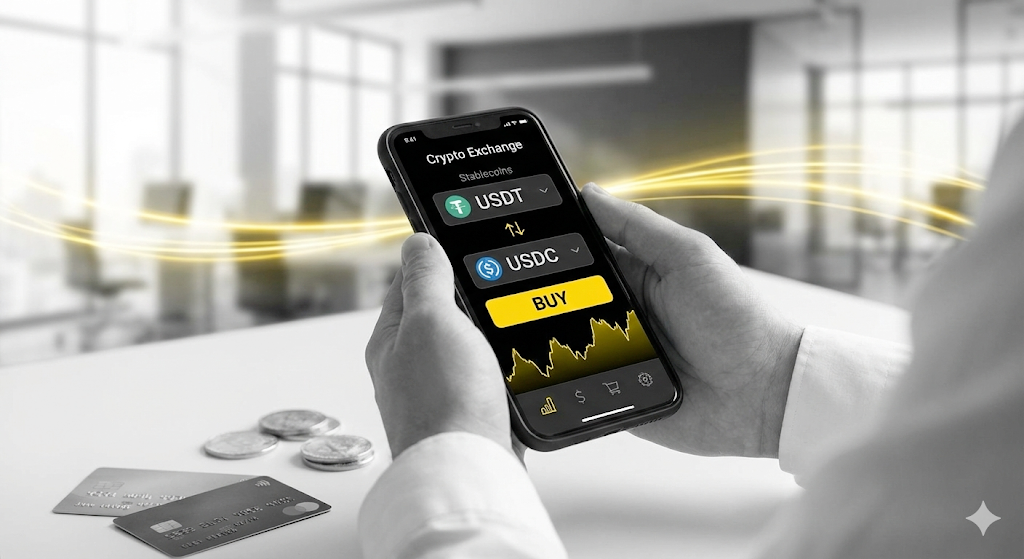
In recent years, cryptocurrency has taken center stage in the world of finance. Back in the day, only tech enthusiasts and a few daring investors dabbled in it. Fast forward to 2026, and getting paid in crypto has become a norm for many. With the rise of Bitcoin (BTC), Tether (USDT), and USD Coin (USDC), businesses and freelancers have more options than ever.
Why this shift? Traditional banks can be slow and expensive for international transactions. Crypto payments solve this by being faster and often cheaper. Imagine a freelancer in India working for a company in the US. With crypto, they can receive their payment in minutes rather than days.
Platforms that support crypto payments have also grown. These platforms help businesses pay employees in digital currencies, making the process smooth. More companies see the potential in crypto payroll, offering it as a payment option. As this trend continues, getting paid in crypto could become as common as using a credit card.
Understanding USDT, USDC, and BTC
Let's dive into the world of crypto, especially USDT, USDC, and BTC. These three are top players in the cryptocurrency arena. USDT and USDC are what's known as stablecoins. This means their value is tied to the dollar. So, if you're dealing with USDT or USDC, you're looking at a stable value, usually one dollar. This makes them great for transactions, as you avoid big price swings.
BTC, or Bitcoin, is a bit different. It’s the first and most famous cryptocurrency. Unlike stablecoins, Bitcoin's value can change a lot. It’s often seen as digital gold. Why? Because people use it to store value over time.
Imagine you’re sending money to a friend abroad. Using USDT or USDC might be your choice for a stable transaction. But if you're investing for the future, Bitcoin could be more appealing. Each has its own use, and knowing these differences helps you choose the right one.
Choosing the Right Crypto Payment Platform
Picking a crypto payment platform is a bit like choosing a new phone. You want something reliable, easy to use, and packed with features. Let's look at some key things to consider.
First, security is crucial. Look for platforms with strong protection like two-factor authentication. This keeps your funds safe from hackers. Platforms like Coinbase and Binance have solid security measures, making them popular choices.
Next, think about the currencies you need. Some platforms support only a few, while others have a broader range. If you want to get paid in USDT, USDC, or BTC, ensure the platform you choose supports these.
Transaction fees are another point to consider. Some platforms charge more than others. Compare fees to avoid surprises later. Lower fees can mean more money in your pocket.
User experience is important too. A simple and clean interface makes transactions easier. Platforms with good customer support can also be a lifesaver if you encounter problems.
Lastly, check for any extra features. Some platforms offer benefits like staking or lending options. These can give you more ways to earn from your crypto.
Choosing the right platform takes a bit of research, but it's worth it for a smooth experience.
Setting Up Your Crypto Wallet
Getting paid in crypto means you'll need a wallet to store your digital coins. Think of a crypto wallet as your virtual bank account. It's where you keep your crypto earnings safe and sound. Let's break down the process of setting up your own crypto wallet.
First, you'll need to choose the type of wallet that suits your needs. There are two main types: hot wallets and cold wallets. Hot wallets are connected to the internet. They're like the apps on your phone or computer. They're easy to use and perfect for quick transactions. Examples include Trust Wallet or MetaMask. Cold wallets, on the other hand, are offline. They're secure and ideal for storing large amounts of crypto. Picture them as USB sticks that hold your digital currency. Popular cold wallets include Ledger Nano and Trezor.
When choosing a cold wallet, it's exciting to see the latest tech. For example, the new Trezor Safe 7 features a state-of-the-art 7th generation secure chip and even includes protection against future quantum computer threats. Other brands are rethinking the design entirely. Take Tangem—it uses a set of sleek cards with a high-security 6th generation chip. A major plus is that it removes the stressful "seed phrase" you have to write down and keep safe. Instead, you can restore access using your backup cards. (Note: it works with your phone via NFC to make transactions).
Once you've decided on the type, it's time to set it up. If you go with a hot wallet, download the app or software from a trusted source. Be careful of fake sites or apps. They can trick you into giving away your crypto. After downloading, follow the setup instructions. You'll likely be asked to create a username and password. Keep this information safe and private.
In the case of a cold wallet, you'll purchase the device from a reputable store. When it arrives, connect it to your computer and follow the instructions. You'll be guided to set up a PIN and, for most models, a recovery phrase. This recovery phrase is crucial. It's a set of random words that help you recover your wallet if it's lost or stolen. Write them down on paper and store them in a secure place. (Remember, wallets like Tangem offer a different, card-based recovery method).
Next, you need to fund your wallet. To get paid in crypto, share your wallet address with your employer or client. This address is like your bank account number. It's a long string of letters and numbers. Ensure you share the correct address for the specific crypto you're using, like USDT, USDC, or BTC.
Finally, always keep your wallet updated. Developers often release updates to improve security and add features. Regularly backing up your wallet (whether it's your seed phrase or backup cards) is a good habit too. It protects your funds against potential losses.
Setting up a crypto wallet might seem tricky. But with careful steps and modern options that boost both security and convenience, you can have a secure place for your crypto payments.
Integrating Crypto Payroll for Businesses
In 2026, more businesses are looking at crypto payroll as a smart move. Paying employees with digital currencies like BTC, USDT, and USDC is no longer a novelty. It's becoming common. But how does one actually integrate crypto payroll into a business? Let's break it down.
First, you need a solid crypto payment platform. These platforms act as the backbone for crypto payroll. They manage transactions and convert fiat to crypto or vice versa. Popular platforms offer easy setup and user-friendly interfaces. They let you automate payments, ensuring timely salaries in digital currency. Crucially, the right platform handles the complex "blockchain plumbing" for you:
- Gas Management: Gas fees vary by network and can cause payments to fail. Your platform should automatically calculate optimal fees and adjust during network congestion so transactions go through without manual intervention.
- Error Handling: Don't rely on systems that fail silently. Choose a provider that actively monitors transactions and automatically retries failed payments, offering features like gas refunds for failures to reduce payout issues.
- Auto-Conversion: Accepting crypto is only half the solution. Look for infrastructure that supports automatic conversion of received crypto into your preferred settlement currency (like fiat or a stablecoin) at the point of receipt. This ensures operational efficiency and minimizes FX risk for your business.
Legal compliance is crucial. It's important to check local laws regarding crypto payroll. Some regions have specific regulations. For instance, tax implications might differ from traditional payroll systems. Consulting a financial advisor who understands crypto can be a wise step.
Choosing the right digital wallet is vital. A secure wallet ensures your funds are safe. There are software wallets for ease of access and hardware wallets for added security. Businesses often use multiple wallets for different purposes, like one for daily transactions and another for savings.
Employee education is the next step. Not all employees may be familiar with crypto. Offering training sessions can help them understand how to use digital wallets and the benefits of receiving crypto payments. This can increase their confidence and acceptance of this new payment method.
Lastly, consider transaction fees. Crypto transactions can incur fees, which vary between currencies and platforms. It's smart to compare rates and choose the most cost-effective option for your business. This helps in maintaining a budget-friendly payroll system while embracing the future of finance. A robust platform simplifies this by providing clear fee structures and handling the variable costs of gas and conversions automatically.

Tax Implications of Getting Paid in Crypto
Getting paid in crypto might sound exciting, but it's important to think about taxes. Just like regular money, crypto is subject to tax rules. These rules can change based on where you live, so it's good to check with local tax authorities.
When you receive crypto as payment, it's often seen as income. This means you'll pay tax on the value of the crypto at the time you get it. If your employer pays you in crypto, they might report this to tax authorities just like they would with regular salaries.
If you sell your crypto later, you might have to pay more taxes. This is called capital gains tax. The gain is the difference between what you sold it for and what it was worth when you got it. For example, if you receive Bitcoin worth $500 today and sell it later for $700, you might pay tax on the $200 gain.
Countries have different rules for crypto taxes. In the U.S., for example, the IRS treats crypto as property. This means you might need to keep records of transactions to report during tax season. Some countries might have more relaxed rules, while others could be stricter.
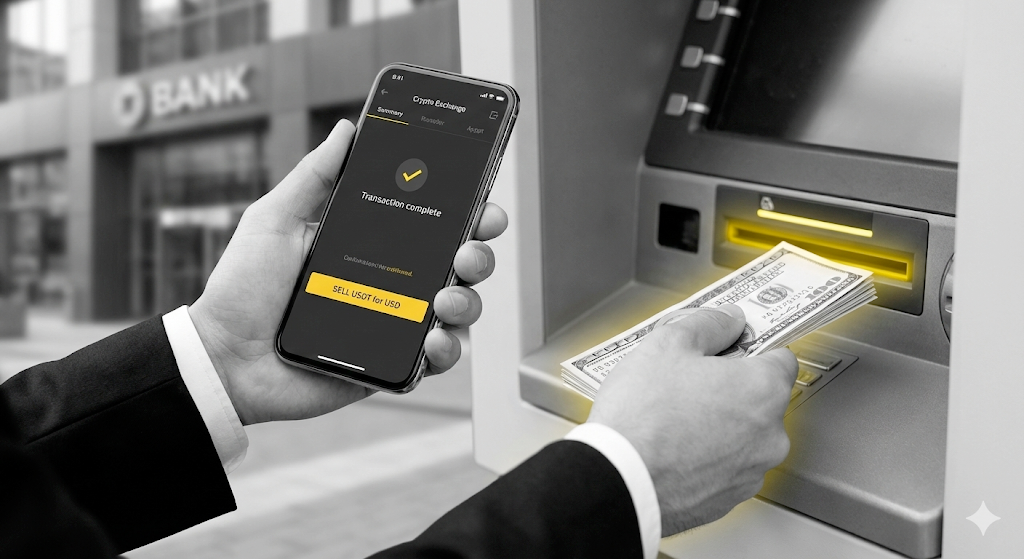
Modern payment platforms help solve these complexities by offering the ability to legally accept, send, and exchange cryptocurrencies just like regular money, while minimizing your tax and accounting burden. For example, you can use a system where you receive fiat directly—with no need to personally hold crypto assets. This approach significantly reduces volatility risk, compliance complexity, and operational friction.
There are tools to help you manage crypto taxes. Some platforms track transactions and provide reports. This can make it easier to understand what you owe. It's also useful to consult with a tax professional who knows about crypto to avoid mistakes.
Crypto taxes can seem tricky, but understanding the basics can help you stay on track. Keep records of your transactions and check local laws to ensure you're complying with tax requirements.
The Future of Crypto Payments
The world of crypto payments is evolving rapidly. By 2026, we can expect to see more businesses and individuals using cryptocurrencies like USDT, USDC, and BTC for everyday transactions. One reason for this growth is the increasing trust in blockchain technology. As more people understand how it works, they feel more comfortable using it. This trust is a big factor in making crypto payments more popular.
Many companies are already exploring how to make crypto payments easier. Some are developing platforms that allow users to pay with crypto just as easily as with cash or credit cards. These platforms are designed to be user-friendly, so even those new to crypto can use them without any trouble. For instance, some platforms are focusing on seamless integration with existing payment systems. This means you can use your favorite crypto wallet to make payments at stores that accept crypto.
Another trend we're seeing is the rise of stablecoins like USDT and USDC. These coins are tied to traditional currencies, so their value remains stable. This stability makes them attractive for everyday use, as people don't have to worry about sudden price changes. As a result, more businesses and consumers are choosing stablecoins for transactions.
Regulations are also playing a crucial role in shaping the future of crypto payments. Governments around the world are working to create laws that protect users and encourage innovation. These regulations help create a safe environment for people to use crypto without fear of scams or fraud.
Finally, the future of crypto payments will likely involve new technologies. Innovations like smart contracts and decentralized finance are already changing the way payments are processed. These technologies make transactions faster, cheaper, and more secure. As they become more widespread, they will make crypto payments even more appealing.
The future of crypto payments looks bright. With trust in blockchain growing, user-friendly platforms emerging, stablecoins gaining popularity, supportive regulations, and new technologies on the horizon, it's clear that cryptocurrencies will play an important role in the global economy.
FAQ
What are the benefits of getting paid in cryptocurrencies like USDT, USDC, and BTC?
Cryptocurrencies like USDT, USDC, and BTC offer benefits such as faster transaction times, lower fees, and increased global access. They also provide a hedge against local currency inflation and can be easily converted into other assets.
How do USDT, USDC, and BTC differ in terms of payment?
USDT and USDC are stablecoins, meaning they are pegged to the US dollar, making them less volatile and ideal for stable transactions. BTC is more volatile, which can be a benefit for potential gains but also carries more risk.
What should I consider when choosing a crypto payment platform?
When choosing a crypto payment platform, consider factors like security features, transaction fees, supported cryptocurrencies, user interface, and customer support. Research and compare reviews to find a platform that aligns with your needs.
How do I set up a crypto wallet to receive payments?
To set up a crypto wallet, choose a wallet type (hardware, software, or web-based), download the app or software, create an account, and securely store your private keys and recovery phrase. Follow the wallet’s specific setup instructions to ensure security.
Can businesses easily integrate crypto payroll systems?
Yes, businesses can integrate crypto payroll systems by partnering with specialized service providers that offer seamless integration with existing payroll systems. These services handle the conversion and distribution of fiat to cryptocurrency.
Are there tax implications for receiving income in crypto?
Yes, receiving income in crypto is subject to tax regulations in most jurisdictions. You must report crypto earnings as income, and it may be treated as capital gains when converted to fiat currency. Consult a tax professional for specific guidance.
What does the future hold for crypto payments by 2026?
By 2026, crypto payments are expected to become more mainstream, with increased adoption by businesses and individuals. Advances in blockchain technology and regulatory clarity may lead to more secure and efficient payment systems, further integrating cryptocurrencies into the global economy.





.avif)