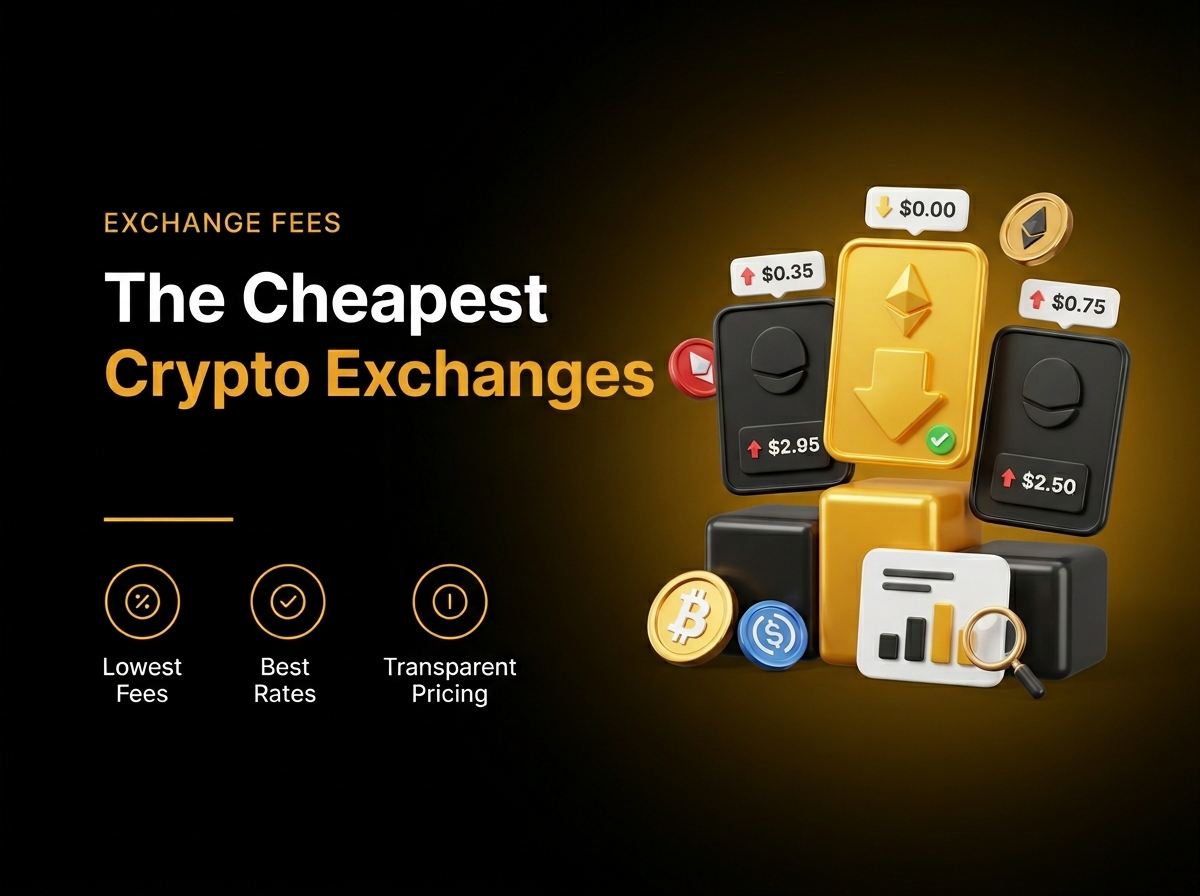
Industry insiders call it "death by a thousand cuts." Whether it's inflated spreads or high withdrawal fees, processing digital assets can be surprisingly expensive if you're using the wrong tools.
In our latest guide, we break down: The Anatomy of Fees: Maker vs. Taker and the "Silent Cost" of spreads. Top Retail Exchanges: Where to find the lowest rates for day trading. The Business Trap: Why using a retail exchange for merchant payments is a costly mistake. For enterprises, the secret to cost-efficiency isn't a cheaper exchange—it's specialized infrastructure. Learn how INXY eliminates volatility risks and provides transparent, flat-rate processing.
Imagine closing a $100,000 international deal or executing a perfectly timed crypto trade, only to discover that thousands of dollars vanished into thin air before the funds even settled. The money wasn't stolen by hackers, nor was it lost to a sudden market crash. It was silently siphoned off by the very platform you trusted to process it.
This is the reality of hidden cryptocurrency fees—a silent killer often described by industry insiders as "death by a thousand cuts." Whether you are an active trader watching your portfolio bleed or a business owner seeing profit margins shrink, ignoring the complex fee structures of digital asset platforms is an expensive mistake. Finding the cheapest crypto exchange is not just about clicking the marketing banner that screams "0% trading fees"—it requires a deep understanding of how these platforms actually generate their revenue behind the scenes. In this guide, we will uncover the true costs of digital transactions, highlight the platforms offering the best rates, and reveal why modern businesses must use an entirely different infrastructure to protect their bottom line.
The Anatomy of Cryptocurrency Fees
To navigate the market effectively and keep more of your own money, you first need to understand the different tolls you pay along the way. Most users only look at the baseline trading fee, but the reality is much more complex:
Maker and Taker Fees: This is the most common and transparent pricing model. A "Maker" provides liquidity to the market by placing a limit order that isn't immediately filled. A "Taker" removes liquidity by executing a market order against the existing order book. Because exchanges desperately want deep, active order books, Maker fees are almost always significantly cheaper than Taker fees.
The Spread (The Silent Cost): This is the hidden difference between the highest price a buyer is willing to pay and the lowest price a seller is willing to accept. Platforms that aggressively advertise "zero fee trading" almost always make their money by inflating this spread. This means you are essentially getting a much worse exchange rate than the actual global market price.
Deposit and Withdrawal Fees: Getting your money onto an exchange might be free, but taking it off rarely is. Depending on network congestion and the exchange's internal corporate policies, moving your Bitcoin or USDT to a private wallet or a bank account can carry shockingly high flat fees, completely negating any money you saved on trades.
Top Contenders: Where Retail Traders Pay Less
If you are an individual investor or a day trader, choosing the right platform can save you thousands of dollars over a year of active trading. While fee structures frequently evolve, a few industry giants consistently offer the most competitive rates:
Binance: Globally recognized as the heavyweight champion of low fees. With baseline spot trading fees often starting around 0.1% (and dropping even lower if you hold their native BNB token), it remains the premier destination for high-volume traders seeking maximum cost-efficiency.
Kraken (Pro): While Kraken's standard application is highly user-friendly, switching to the Kraken Pro interface unlocks heavily discounted maker and taker fees. It is widely praised for its strict transparency, meaning traders won't be blindsided by unexpected spread inflations during highly volatile market swings.
KuCoin: Often hailed as the "people's exchange," KuCoin maintains a highly competitive baseline fee structure. It is particularly popular for investors dealing in micro-cap altcoins who want to maximize their purchasing power without being drained by high transactional costs.
The Business Trap: Why Cheap Exchanges Are Expensive for Merchants
Here is where the narrative sharply pivots. If you are an individual trading for personal profit, the exchanges listed above are perfect. But what if you are a business owner? What if you run an e-commerce store, a digital agency, or an international SaaS company, and you want to accept crypto payments from your clients?
Many businesses make the fatal mistake of directing customer payments directly into a standard retail exchange account. They assume that because the trading fees are low, it must be a cost-effective collection solution. In reality, it is a logistical and financial nightmare. When a business uses a retail exchange to process payments, they face a costly "Triple Threat":
Customers are forced to pay unpredictable network gas fees just to send funds to your specific exchange wallet.
The business faces severe volatility risks between the time the customer pays and the time the company manually logs in to convert the crypto to stable fiat.
The company is eventually crushed by high, flat-rate withdrawal fees when attempting to move that accumulated revenue into a corporate bank account.
The Cost-Effective Enterprise Solution
To truly minimize fees and maximize corporate revenue, modern businesses do not use speculative trading exchanges to accept payments. Instead, they rely on specialized, enterprise-grade infrastructure: a dedicated crypto payment gateway like INXY PAYMENTS.
Engineered explicitly for B2B and merchant needs, INXY completely bypasses the predatory spread structures and withdrawal traps of retail exchanges. By integrating INXY into your business framework, you unlock a fundamentally superior economic model:
Transparent Processing Rates: Unlike exchanges that hide exorbitant costs in the spread, a premium gateway like inxy.io offers flat, highly transparent processing fees. You know exactly what it costs to process a payment, allowing for accurate, predictable financial forecasting.
Instant Conversion, Zero Volatility: To avoid the hidden, devastating cost of a sudden market crash, the gateway can instantly convert incoming crypto payments into stablecoins or fiat currency at the exact point of sale.
Automated Accounting: Time is money. Instead of paying accountants to manually track individual wallet deposits across a retail exchange, INXY provides automated invoicing, robust reporting, and mass payout features, drastically reducing expensive administrative overhead.
Conclusion
Navigating the complex world of cryptocurrency fees requires looking past bold marketing slogans and understanding the actual mechanics of the platform. For individual investors, optimizing maker and taker fees on retail platforms is the key to maximizing portfolio returns. However, the corporate world requires a drastically different toolset. By shifting away from retail exchanges and leveraging a powerful crypto payment gateway like INXY, forward-thinking businesses can process global payments with minimal friction, absolute transparency, and unparalleled cost-efficiency.
Crypto Payment Gateway vs. Processor: What’s the Difference?
While the terms are often used interchangeably, choosing between a Crypto Payment Gateway and a Crypto Processor can fundamentally change how your business handles digital assets. One acts as the technical bridge, while the other serves as a comprehensive financial engine.
If you’ve spent any time navigating the fintech landscape in 2026, you’ve likely noticed that "crypto payment gateway" and "crypto payment processor" are thrown around like synonyms. In casual conversation, that’s fine. But if you’re a business owner in the EU trying to optimize your checkout or manage a complex treasury, the distinction matters. It’s the difference between a sleek front-end interface and the heavy-duty engine room that actually moves the money.
Let’s break down the technicalities of these two components and see how they work together to modernize your business.
The Crypto Payment Gateway: Your Digital Storefront
Think of the Crypto Payment Gateway as the "front-end" layer. It is the bridge between your website and the blockchain. Its primary job is to handle the customer-facing part of the transaction.
When a customer clicks "Pay with Crypto," the gateway jumps into action:
Checkout UI: It displays the QR code or wallet address.
Real-time Rate Locking: It calculates the exact exchange rate between, say, Bitcoin and the Euro, and freezes it for a few minutes so the customer knows exactly what they’re paying.
Data Transmission: It securely passes the transaction details to the processor.
Essentially, the gateway is the digital equivalent of a Point-of-Sale (POS) terminal. It’s all about user experience and making sure the "handshake" between the customer and the merchant is secure and seamless.
The Crypto Payment Processor: The Engine Room
While the gateway handles the "hello," the Crypto Payment Processor handles the "settlement." This is the back-end infrastructure that manages the lifecycle of the funds after the customer hits send.
The processor’s responsibilities are significantly broader:
Blockchain Validation: It monitors the network to confirm the transaction has reached the required number of blocks.
Settlement & Conversion: This is the big one. If you invoiced for €1,000 but the customer paid in Bitcoin, the processor handles the conversion and ensures those funds are ready for your bank account.
Compliance (KYC/AML): It runs the necessary checks to ensure the transaction isn't linked to illicit activity—a non-negotiable for EU-based businesses under current regulations.
Payouts: It manages the transfer of funds from the crypto ecosystem into your corporate SEPA or SWIFT account.
Comparison at a Glance
Feature
Crypto Payment Gateway
Crypto Payment Processor
Primary Role
Front-end UI / Communication
Back-end settlement / Logistics
Focus
User Experience (UX)
Compliance & Fund Movement
Key Output
QR Codes, API Callbacks
Fiat Payouts, Tax Reporting
Analogy
The Card Reader on the counter
The Bank/Clearing House
Why the Distinction Matters for EU Businesses
In the European fintech market, precision is everything. If you only use a "gateway" without a robust processing layer, you might find yourself with a wallet full of crypto but no easy way to pay your local taxes or suppliers in fiat.
Conversely, a processor without a good gateway might provide great liquidity, but your customers will struggle with a clunky, manual checkout process that kills your conversion rate.
This is where integrated solutions come in. Platforms like INXY bridge this gap by functioning as a unified ecosystem. By combining an EU-licensed gateway (the part your customers see) with a powerful processing engine (the part your accountant loves), it removes the friction of managing two separate services.
Why "All-in-One" is the 2026 Standard
Modern fintech has moved past fragmented tools. For instance, INXY Payments focuses heavily on high-conversion gateways specifically for e-commerce, infrastructure and hosting providers. Because they operate as an EU-authorized VASP (Virtual Asset Service Provider), the processing side is built-in.
For a merchant, this means:
Zero Volatility: The rate is locked at the gateway level and settled instantly at the processor level.
Mass Payouts: You can collect payments via the gateway and immediately use those funds to pay global affiliates or remote teams via the processor’s API.
Legal Clarity: Since the processor handles the KYB (Know Your Business) and AML checks, the funds landing in your bank account are "clean" and fully documented for tax purposes.
Summary
A gateway gets you paid; a processor keeps you in business. While they serve different technical functions, the most successful companies in 2026 are those that don’t make their customers (or their dev teams) choose between the two.
By using an integrated platform like INXY, you get the best of both worlds: a checkout experience that converts and a back-end that settles without the headaches of traditional banking delays.
Cryptocurrency is a type of digital or virtual currency. It uses cryptography to secure transactions. This makes it hard to counterfeit. Unlike traditional money, cryptocurrencies operate on a technology called blockchain. This is a decentralized system spread across many computers.
Bitcoin was the first and is the most well-known cryptocurrency. But now, there are thousands of different cryptocurrencies. Each has its own unique features. For example, some are used for fast, low-cost transactions. Others focus on privacy.
A popular feature of cryptocurrencies is their ability to be traded or exchanged easily. People can buy, sell, or trade them on different online platforms. These platforms are called exchanges. Some well-known exchanges are Binance and Coinbase.
Stablecoins are another type of cryptocurrency. They are designed to minimize price fluctuations. They achieve this by being pegged to stable assets like the US dollar. USDT and USDC are examples of stablecoins. They provide stability in the volatile crypto market.
Cryptocurrencies are stored in digital wallets. These can be online, offline, or even hardware devices. Each wallet has a unique address. This address is used to send and receive cryptocurrencies.
While cryptocurrencies offer many benefits, they also come with risks. Their prices can be very volatile. This means they can change quickly and unpredictably. Security is another concern. If a wallet is hacked, it can lead to loss of funds.
Understanding how cryptocurrencies work is important. It helps in making informed decisions. Whether you want to invest or accept crypto payments, knowing the basics is the first step.
Setting Up Your Digital Wallet
Setting up a digital wallet for accepting crypto is like opening a new bank account, but much simpler. First, choose a wallet that suits your needs—whether it's a software wallet for easy access on your phone or a hardware wallet for extra security. Software wallets are apps you can download, making them convenient for daily transactions. Hardware wallets, on the other hand, are devices you connect to your computer, keeping your crypto offline and safe from hackers.
Next, install your chosen wallet and follow the instructions to create an account. You'll be given a unique address, like your wallet's phone number, where people can send you cryptocurrency. It’s crucial to secure your wallet with a strong password and, if possible, enable two-factor authentication for added security. Keep your recovery phrase safe; it’s your lifeline if you forget your password.
Finally, explore the wallet's features. Some wallets let you exchange one cryptocurrency for another directly within the app, while others offer detailed transaction history. Getting familiar with these options ensures smooth management of your crypto payments.
Choosing the Right Payment Processor
Picking the best payment processor for accepting crypto can feel like choosing the right car. You want something reliable, fast, and easy to handle.
In 2026, the most important thing to check is stablecoin support, not just Bitcoin. Most companies now prefer USDT, USDC, or DAI, because they offer price stability and dominate real business payments. Stablecoins now power most B2B payment growth worldwide.
Next, look at fees. Some processors charge a flat rate, others a percentage, and some add hidden spreads when converting crypto to fiat. It’s like buying a concert ticket—sometimes the “service fee” costs more than the seat.
A modern processor should integrate smoothly into your existing systems—your checkout page, invoicing software, or backend platform. Ideally, it should support both plugins (Shopify, WooCommerce) and API integration so your business can scale later.
Security matters too. Look for processors that:
screen every transaction (KYT)
support strong encryptio
offer clear, audit-friendly reporting
This is especially important as more countries enforce stricter crypto regulations, especially in the EU under MiCA.
Integrating Crypto Payments into Your Business
Integrating crypto payments into your business is easier today than ever before. Most companies start by choosing a crypto payment gateway that works alongside their existing checkout or invoicing system. These gateways support major cryptocurrencies like Bitcoin, Ethereum, and stablecoins such as USDT and USDC.
Once you choose a provider, you connect it to your website or platform. Many services offer simple plugins for Shopify, WooCommerce, and other tools. If you prefer something custom, you can use their API to build your own flow.
One helpful feature offered by most payment gateways is automatic conversion. This means that when a customer pays in crypto, the gateway can instantly convert it into stablecoins or fiat currency. Your balance stays steady, which makes bookkeeping easier and avoids the need to monitor crypto price changes. You simply receive the amount in the currency you prefer.
It also helps to clearly show on your website that you accept crypto. Customers who use digital assets often look for businesses that support their preferred payment methods.
As with any payment method, security matters. Keep your accounts protected with two-factor authentication and make sure your systems are up to date. A good gateway will also include its own safeguards, such as blockchain monitoring and fraud checks.
Offering crypto payments is a simple way to expand your payment options, make checkout more flexible, and reach customers in more parts of the world.
Tax Implications and Legal Considerations
When you begin accepting crypto payments, it’s important to understand how taxes and regulations apply in your region. Rules vary from country to country, but most treat cryptocurrency as an asset or a form of taxable income. If your business receives crypto as payment, it may need to be reported to your local tax authority. Keeping clean records of all transactions makes this process easier.
Regulation is also evolving around the world.
European Union
MiCA is now active.
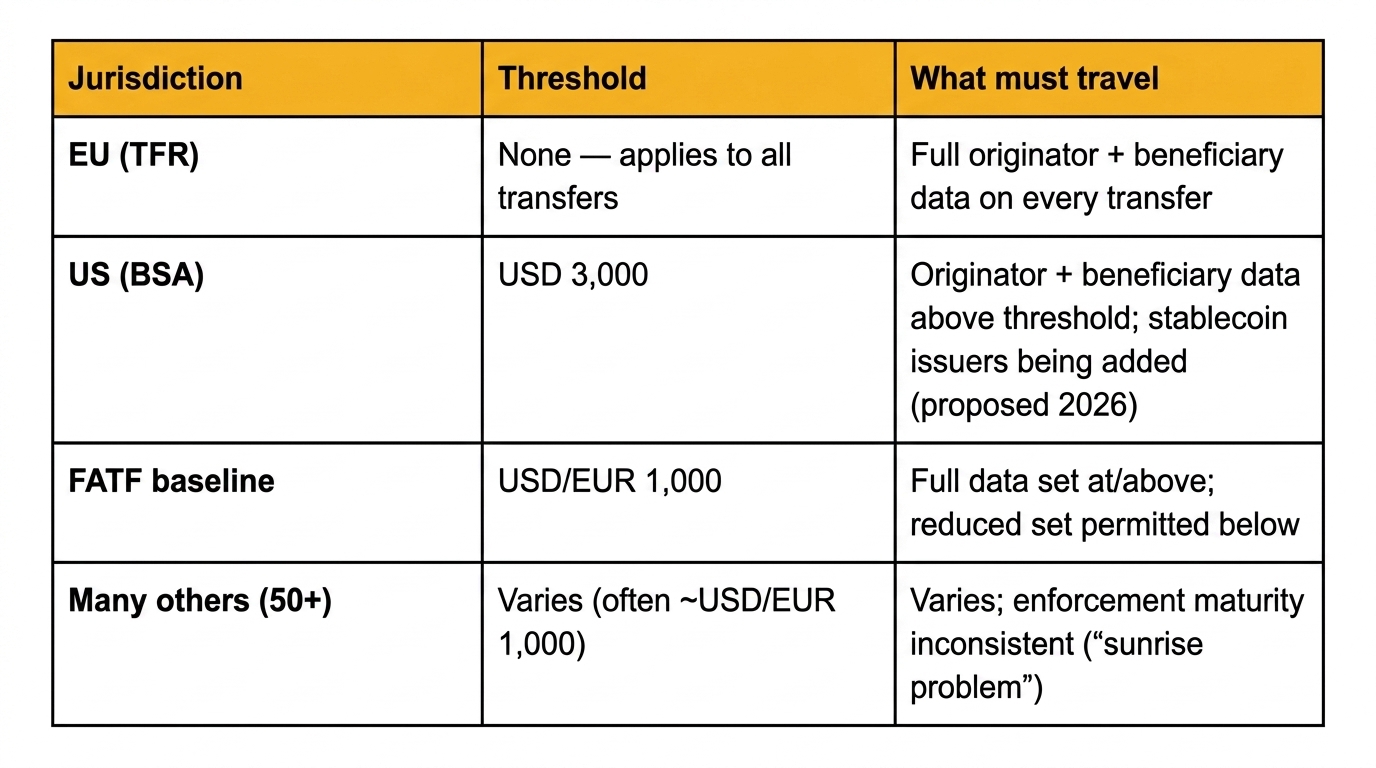
Strict AML and Travel Rule checks.
You must work with a licensed VASP/CASP.
United States
Rules differ by state.
A federal stablecoin law is expected soon.
Choose a partner who follows both federal and state-level compliance.
United Kingdom
New crypto rules expected in 2026.
FCA requires AML, Travel Rule, and Financial Promotions compliance from providers.
Singapore
Very clear regulation under the Payment Services Act.
You must work only with licensed Digital Payment Token providers.
Hong Kong
Strong VASP licensing since 2023.
New stablecoin rules start in 2025.
Middle East (UAE, Bahrain)
UAE’s VARA sets strict rules for crypto companies.
Follow AML/CFT and Travel Rule requirements.
Latin America
Rules vary by country.
Brazil and Mexico are building national frameworks.
Work with partners who apply strong AML controls.
Because the landscape changes quickly, many businesses choose crypto payment processors that are already licensed or registered in their operating regions. Working with a regulated partner often simplifies compliance, especially around AML, KYC, and reporting obligations.
It’s also helpful to consult a tax or legal advisor familiar with cryptocurrency. They can guide you on reporting requirements, record-keeping, and any local rules you may need to follow.
Finally, many companies prefer accepting stablecoins like USDT or USDC. These assets are tied to national currencies and are less volatile than traditional cryptocurrencies, which can make accounting and financial planning easier.
Marketing Your Crypto Payment Options
When it comes to accepting crypto, getting the word out is key. Let people know you accept crypto payments. It can attract a new group of customers who prefer using digital currencies. To make this happen, you need a solid marketing plan tailored to this unique payment method.
One way to start is by updating your website and social media profiles. Highlight your new payment option. Create eye-catching banners or badges that say you accept cryptocurrencies like Bitcoin, Ethereum, or stablecoins such as USDT and USDC. This visual cue can grab attention and encourage visitors to explore more.
Consider writing blog posts or articles about the benefits of accepting crypto. These can educate your audience and position you as a forward-thinking business. Explain why crypto payments are secure, fast, and cost-effective. Use simple language to break down complex concepts. This helps even those new to crypto understand its advantages.
Social media is a powerful tool. Use it to announce your new payment methods. Platforms like Twitter, Instagram, and Facebook allow you to reach a wide audience. Create engaging posts with hashtags related to cryptocurrency. These can help your posts appear in searches made by crypto enthusiasts.
Collaborations with crypto influencers can extend your reach. Find influencers who align with your brand. They can showcase your business to their followers, who might be interested in using crypto. A positive mention from a trusted voice can enhance your credibility.
Email marketing can also play a role. Send newsletters to your subscribers informing them about your new payment option. Offer exclusive promotions or discounts for those who choose to pay with crypto. This can motivate them to try out the new payment method.
Hosting events or webinars about cryptocurrency can engage your audience. These can be opportunities to answer questions and demonstrate how paying with crypto works. Educating potential customers can remove doubts and make them more comfortable using digital currencies.
By using these marketing strategies, you can effectively promote your crypto payment options. This can lead to increased customer engagement and potentially boost your sales.
Future Trends in Cryptocurrency Payments
Let's talk about the exciting trends in cryptocurrency payments as we look ahead to 2026. Cryptocurrencies are changing the way we think about money, and it's only going to get more interesting. Businesses and freelancers should keep an eye on these trends to stay ahead of the curve.
One major trend is the rise of stablecoins. These are digital currencies that are tied to real-world assets like the US dollar. Examples include USDT and USDC. They provide the benefits of cryptocurrencies without the wild price swings. This makes them attractive for businesses that want to accept crypto without worrying about losing value overnight. Stablecoins are becoming a popular choice for payments because they offer stability and trust.
Another trend is the growing acceptance of crypto by big companies. More and more large businesses are starting to accept crypto payments. This is because they see the potential of reaching new customers worldwide. When big players jump on board, smaller businesses often follow. This could lead to more widespread use of crypto in everyday transactions.
There's also a push for better technology to support crypto payments. Developers are working on making transactions faster and cheaper. Right now, some cryptocurrencies take too long to process or have high fees. But new technologies, like the Lightning Network, aim to solve these problems. They allow instant transactions with very low fees. This makes crypto more practical for everyday use.
Security is always a concern with cryptocurrencies. As we move forward, we can expect improvements in this area too. Developers are creating more secure wallets and platforms to protect users from scams and hacks. This is crucial for building trust in the system.
Regulations are another important factor. Governments around the world are trying to figure out how to handle cryptocurrencies. In 2026, we might see more clear rules and regulations. This could make it easier for businesses to accept crypto without worrying about legal issues.
Lastly, as more people become familiar with cryptocurrency, we'll likely see an increase in its use. Education is key here. The more people know about how crypto works, the more comfortable they'll feel using it. This could lead to a significant increase in crypto payments.
In summary, the future of cryptocurrency payments looks promising. With stablecoins, big company adoption, better technology, increased security, clear regulations, and greater awareness, businesses and freelancers have much to look forward to in 2026. Keep an eye on these trends to stay ahead in the evolving world of crypto.
FAQ
What is cryptocurrency, and why should I consider accepting it as a payment method?
Cryptocurrency is a digital or virtual form of currency that uses cryptography for security and operates on decentralized networks like blockchain technology. Accepting crypto payments can broaden your customer base, lower transaction fees, and enhance your business's image as forward-thinking and tech-savvy.
How do I choose the right digital wallet for my business?
When selecting a digital wallet, consider factors like security features, compatibility with multiple cryptocurrencies, user interface, and customer support. Look for wallets with strong encryption and backup options to ensure your funds remain secure.
What should I look for in a cryptocurrency payment processor?
Key considerations for choosing a crypto payment processor include transaction fees, supported cryptocurrencies, ease of integration with existing systems, and customer support. Compare different options to find a processor that aligns with your business needs and budget.
How can I integrate cryptocurrency payments into my existing payment systems?
To integrate cryptocurrency payments, you can use plugins or APIs provided by your chosen payment processor. These tools allow you to seamlessly add crypto payment options to your website or point-of-sale systems, offering customers a smooth checkout experience.
What are the tax implications of accepting cryptocurrency payments?
The tax implications can vary based on your location, but generally, cryptocurrencies are treated as property for tax purposes. This means you need to track transactions and report any capital gains or losses. Consult with a tax professional to ensure compliance with local regulations.
How can I effectively market my acceptance of crypto payments?
Promote your crypto payment options through your website, social media, and email marketing. Highlight the benefits, such as lower fees and enhanced security, to attract tech-savvy customers. Collaborating with crypto influencers and participating in blockchain events can also boost visibility.
What future trends should I be aware of in the cryptocurrency payment space?
Stay informed about trends like the rise of decentralized finance (DeFi), the increasing use of stablecoins, and advancements in blockchain technology. These developments could offer new opportunities for reducing costs and enhancing transaction security in the coming years.
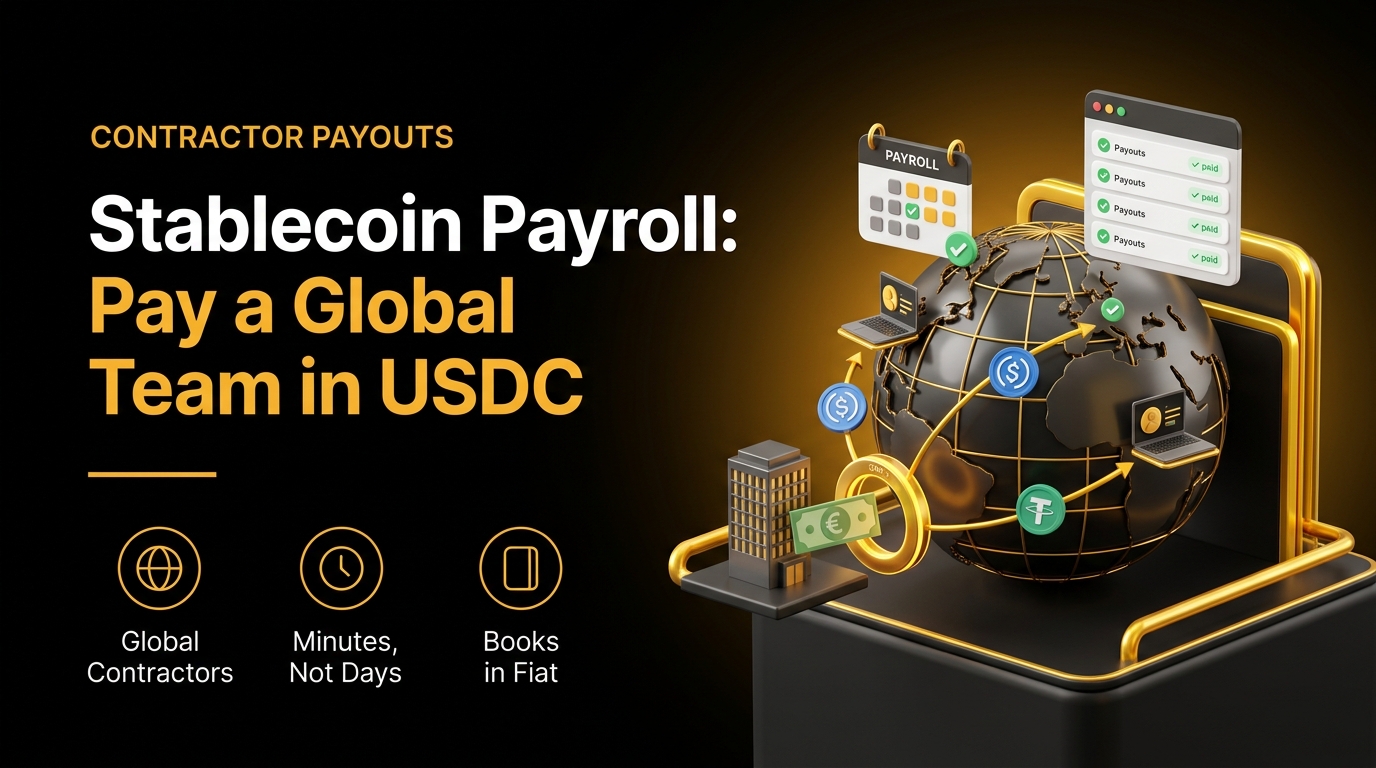
In recent years, cryptocurrency has taken center stage in the world of finance. Back in the day, only tech enthusiasts and a few daring investors dabbled in it. Fast forward to 2026, and getting paid in crypto has become a norm for many. With the rise of Bitcoin (BTC), Tether (USDT), and USD Coin (USDC), businesses and freelancers have more options than ever.
Why this shift? Traditional banks can be slow and expensive for international transactions. Crypto payments solve this by being faster and often cheaper. Imagine a freelancer in India working for a company in the US. With crypto, they can receive their payment in minutes rather than days.
Platforms that support crypto payments have also grown. These platforms help businesses pay employees in digital currencies, making the process smooth. More companies see the potential in crypto payroll, offering it as a payment option. As this trend continues, getting paid in crypto could become as common as using a credit card.
Understanding USDT, USDC, and BTC
Let's dive into the world of crypto, especially USDT, USDC, and BTC. These three are top players in the cryptocurrency arena. USDT and USDC are what's known as stablecoins. This means their value is tied to the dollar. So, if you're dealing with USDT or USDC, you're looking at a stable value, usually one dollar. This makes them great for transactions, as you avoid big price swings.
BTC, or Bitcoin, is a bit different. It’s the first and most famous cryptocurrency. Unlike stablecoins, Bitcoin's value can change a lot. It’s often seen as digital gold. Why? Because people use it to store value over time.
Imagine you’re sending money to a friend abroad. Using USDT or USDC might be your choice for a stable transaction. But if you're investing for the future, Bitcoin could be more appealing. Each has its own use, and knowing these differences helps you choose the right one.
Choosing the Right Crypto Payment Platform
Picking a crypto payment platform is a bit like choosing a new phone. You want something reliable, easy to use, and packed with features. Let's look at some key things to consider.
First, security is crucial. Look for platforms with strong protection like two-factor authentication. This keeps your funds safe from hackers. Platforms like Coinbase and Binance have solid security measures, making them popular choices.
Next, think about the currencies you need. Some platforms support only a few, while others have a broader range. If you want to get paid in USDT, USDC, or BTC, ensure the platform you choose supports these.
Transaction fees are another point to consider. Some platforms charge more than others. Compare fees to avoid surprises later. Lower fees can mean more money in your pocket.
User experience is important too. A simple and clean interface makes transactions easier. Platforms with good customer support can also be a lifesaver if you encounter problems.
Lastly, check for any extra features. Some platforms offer benefits like staking or lending options. These can give you more ways to earn from your crypto.
Choosing the right platform takes a bit of research, but it's worth it for a smooth experience.
Setting Up Your Crypto Wallet
Getting paid in crypto means you'll need a wallet to store your digital coins. Think of a crypto wallet as your virtual bank account. It's where you keep your crypto earnings safe and sound. Let's break down the process of setting up your own crypto wallet.
First, you'll need to choose the type of wallet that suits your needs. There are two main types: hot wallets and cold wallets. Hot wallets are connected to the internet. They're like the apps on your phone or computer. They're easy to use and perfect for quick transactions. Examples include Trust Wallet or MetaMask. Cold wallets, on the other hand, are offline. They're secure and ideal for storing large amounts of crypto. Picture them as USB sticks that hold your digital currency. Popular cold wallets include Ledger Nano and Trezor.
When choosing a cold wallet, it's exciting to see the latest tech. For example, the new Trezor Safe 7 features a state-of-the-art 7th generation secure chip and even includes protection against future quantum computer threats. Other brands are rethinking the design entirely. Take Tangem—it uses a set of sleek cards with a high-security 6th generation chip. A major plus is that it removes the stressful "seed phrase" you have to write down and keep safe. Instead, you can restore access using your backup cards. (Note: it works with your phone via NFC to make transactions).
Once you've decided on the type, it's time to set it up. If you go with a hot wallet, download the app or software from a trusted source. Be careful of fake sites or apps. They can trick you into giving away your crypto. After downloading, follow the setup instructions. You'll likely be asked to create a username and password. Keep this information safe and private.
In the case of a cold wallet, you'll purchase the device from a reputable store. When it arrives, connect it to your computer and follow the instructions. You'll be guided to set up a PIN and, for most models, a recovery phrase. This recovery phrase is crucial. It's a set of random words that help you recover your wallet if it's lost or stolen. Write them down on paper and store them in a secure place. (Remember, wallets like Tangem offer a different, card-based recovery method).
Next, you need to fund your wallet. To get paid in crypto, share your wallet address with your employer or client. This address is like your bank account number. It's a long string of letters and numbers. Ensure you share the correct address for the specific crypto you're using, like USDT, USDC, or BTC.
Finally, always keep your wallet updated. Developers often release updates to improve security and add features. Regularly backing up your wallet (whether it's your seed phrase or backup cards) is a good habit too. It protects your funds against potential losses.
Setting up a crypto wallet might seem tricky. But with careful steps and modern options that boost both security and convenience, you can have a secure place for your crypto payments.
Integrating Crypto Payroll for Businesses
In 2026, more businesses are looking at crypto payroll as a smart move. Paying employees with digital currencies like BTC, USDT, and USDC is no longer a novelty. It's becoming common. But how does one actually integrate crypto payroll into a business? Let's break it down.
First, you need a solid crypto payment platform. These platforms act as the backbone for crypto payroll. They manage transactions and convert fiat to crypto or vice versa. Popular platforms offer easy setup and user-friendly interfaces. They let you automate payments, ensuring timely salaries in digital currency. Crucially, the right platform handles the complex "blockchain plumbing" for you:
Gas Management: Gas fees vary by network and can cause payments to fail. Your platform should automatically calculate optimal fees and adjust during network congestion so transactions go through without manual intervention.
Error Handling: Don't rely on systems that fail silently. Choose a provider that actively monitors transactions and automatically retries failed payments, offering features like gas refunds for failures to reduce payout issues.
Auto-Conversion: Accepting crypto is only half the solution. Look for infrastructure that supports automatic conversion of received crypto into your preferred settlement currency (like fiat or a stablecoin) at the point of receipt. This ensures operational efficiency and minimizes FX risk for your business.
Legal compliance is crucial. It's important to check local laws regarding crypto payroll. Some regions have specific regulations. For instance, tax implications might differ from traditional payroll systems. Consulting a financial advisor who understands crypto can be a wise step.
Choosing the right digital wallet is vital. A secure wallet ensures your funds are safe. There are software wallets for ease of access and hardware wallets for added security. Businesses often use multiple wallets for different purposes, like one for daily transactions and another for savings.
Employee education is the next step. Not all employees may be familiar with crypto. Offering training sessions can help them understand how to use digital wallets and the benefits of receiving crypto payments. This can increase their confidence and acceptance of this new payment method.
Lastly, consider transaction fees. Crypto transactions can incur fees, which vary between currencies and platforms. It's smart to compare rates and choose the most cost-effective option for your business. This helps in maintaining a budget-friendly payroll system while embracing the future of finance. A robust platform simplifies this by providing clear fee structures and handling the variable costs of gas and conversions automatically.
Tax Implications of Getting Paid in Crypto
Getting paid in crypto might sound exciting, but it's important to think about taxes. Just like regular money, crypto is subject to tax rules. These rules can change based on where you live, so it's good to check with local tax authorities.
When you receive crypto as payment, it's often seen as income. This means you'll pay tax on the value of the crypto at the time you get it. If your employer pays you in crypto, they might report this to tax authorities just like they would with regular salaries.
If you sell your crypto later, you might have to pay more taxes. This is called capital gains tax. The gain is the difference between what you sold it for and what it was worth when you got it. For example, if you receive Bitcoin worth $500 today and sell it later for $700, you might pay tax on the $200 gain.
Countries have different rules for crypto taxes. In the U.S., for example, the IRS treats crypto as property. This means you might need to keep records of transactions to report during tax season. Some countries might have more relaxed rules, while others could be stricter.
Modern payment platforms help solve these complexities by offering the ability to legally accept, send, and exchange cryptocurrencies just like regular money, while minimizing your tax and accounting burden. For example, you can use a system where you receive fiat directly—with no need to personally hold crypto assets. This approach significantly reduces volatility risk, compliance complexity, and operational friction.
There are tools to help you manage crypto taxes. Some platforms track transactions and provide reports. This can make it easier to understand what you owe. It's also useful to consult with a tax professional who knows about crypto to avoid mistakes.
Crypto taxes can seem tricky, but understanding the basics can help you stay on track. Keep records of your transactions and check local laws to ensure you're complying with tax requirements.
The Future of Crypto Payments
The world of crypto payments is evolving rapidly. By 2026, we can expect to see more businesses and individuals using cryptocurrencies like USDT, USDC, and BTC for everyday transactions. One reason for this growth is the increasing trust in blockchain technology. As more people understand how it works, they feel more comfortable using it. This trust is a big factor in making crypto payments more popular.
Many companies are already exploring how to make crypto payments easier. Some are developing platforms that allow users to pay with crypto just as easily as with cash or credit cards. These platforms are designed to be user-friendly, so even those new to crypto can use them without any trouble. For instance, some platforms are focusing on seamless integration with existing payment systems. This means you can use your favorite crypto wallet to make payments at stores that accept crypto.
Another trend we're seeing is the rise of stablecoins like USDT and USDC. These coins are tied to traditional currencies, so their value remains stable. This stability makes them attractive for everyday use, as people don't have to worry about sudden price changes. As a result, more businesses and consumers are choosing stablecoins for transactions.
Regulations are also playing a crucial role in shaping the future of crypto payments. Governments around the world are working to create laws that protect users and encourage innovation. These regulations help create a safe environment for people to use crypto without fear of scams or fraud.
Finally, the future of crypto payments will likely involve new technologies. Innovations like smart contracts and decentralized finance are already changing the way payments are processed. These technologies make transactions faster, cheaper, and more secure. As they become more widespread, they will make crypto payments even more appealing.
The future of crypto payments looks bright. With trust in blockchain growing, user-friendly platforms emerging, stablecoins gaining popularity, supportive regulations, and new technologies on the horizon, it's clear that cryptocurrencies will play an important role in the global economy.
FAQ
What are the benefits of getting paid in cryptocurrencies like USDT, USDC, and BTC?
Cryptocurrencies like USDT, USDC, and BTC offer benefits such as faster transaction times, lower fees, and increased global access. They also provide a hedge against local currency inflation and can be easily converted into other assets.
How do USDT, USDC, and BTC differ in terms of payment?
USDT and USDC are stablecoins, meaning they are pegged to the US dollar, making them less volatile and ideal for stable transactions. BTC is more volatile, which can be a benefit for potential gains but also carries more risk.
What should I consider when choosing a crypto payment platform?
When choosing a crypto payment platform, consider factors like security features, transaction fees, supported cryptocurrencies, user interface, and customer support. Research and compare reviews to find a platform that aligns with your needs.
How do I set up a crypto wallet to receive payments?
To set up a crypto wallet, choose a wallet type (hardware, software, or web-based), download the app or software, create an account, and securely store your private keys and recovery phrase. Follow the wallet’s specific setup instructions to ensure security.
Can businesses easily integrate crypto payroll systems?
Yes, businesses can integrate crypto payroll systems by partnering with specialized service providers that offer seamless integration with existing payroll systems. These services handle the conversion and distribution of fiat to cryptocurrency.
Are there tax implications for receiving income in crypto?
Yes, receiving income in crypto is subject to tax regulations in most jurisdictions. You must report crypto earnings as income, and it may be treated as capital gains when converted to fiat currency. Consult a tax professional for specific guidance.
What does the future hold for crypto payments by 2026?
By 2026, crypto payments are expected to become more mainstream, with increased adoption by businesses and individuals. Advances in blockchain technology and regulatory clarity may lead to more secure and efficient payment systems, further integrating cryptocurrencies into the global economy.